
 Kakamega Senator Bonny Khalwale during the session at the Senate /HANDOUT
The Kenya Revenue Authority (KRA) has defended the country's petroleum taxation framework before the Senate Standing Committee on Energy amid growing concerns from lawmakers over the impact of fuel taxes and levies on the cost of living.
During the session, senators questioned the authority on the numerous taxes imposed on petroleum products and their contribution to the high cost of fuel in Kenya. The meeting focused on fuel pricing, petroleum taxation, customs administration, transit cargo and the effectiveness of the Government-to-Government (G-to-G) fuel importation arrangement.
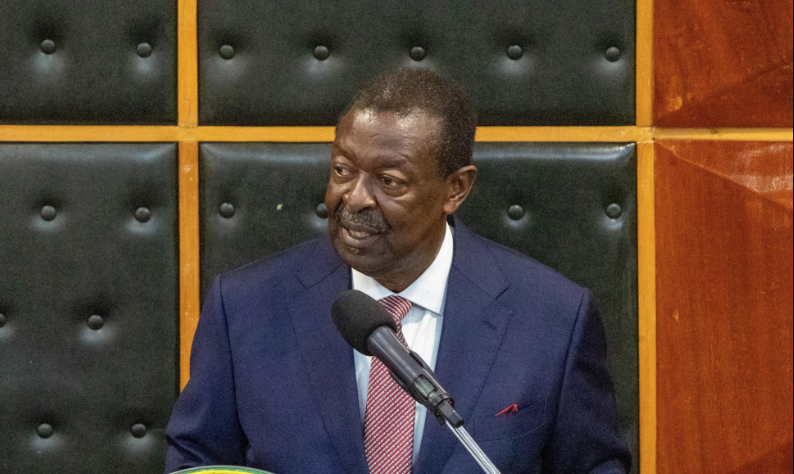
Tana River Senator Danson Mungatana challenged KRA officials on the nine taxes and levies charged on petroleum products, asking which of them could be removed to make fuel cheaper for consumers.
“Among the nine taxes imposed on fuel, which taxes can be dropped to make the fuel cheaper in Kenya?” he asked. He further questioned why government interventions had focused primarily on Value Added Tax (VAT) rather than the other taxes and levies imposed on fuel.
Siaya Senator Oburu Oginga, who chairs the Senate Energy Committee, also raised concerns over the government's approach to fuel tax relief, asking why reductions had targeted VAT alone instead of spreading the reductions across all taxes and levies applied to petroleum products.
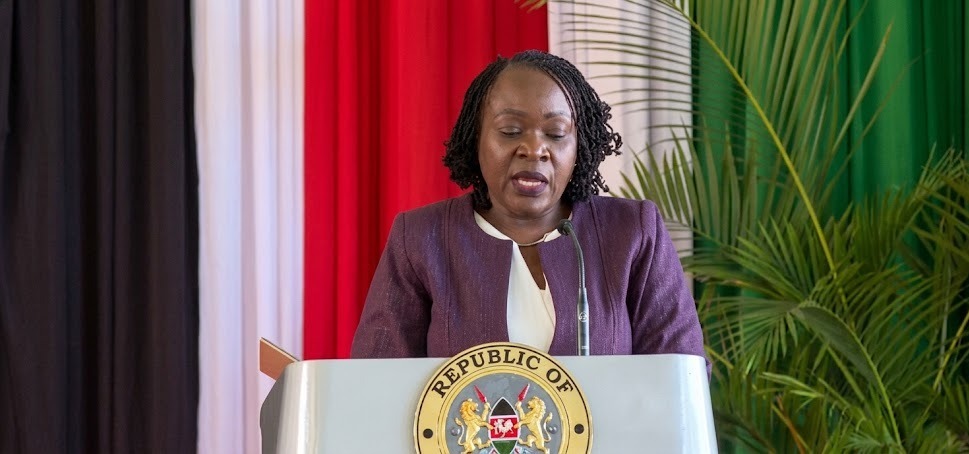
Responding to the concerns, KRA Commissioner for Customs and Border Control Dr Lilian Nyawanda explained that the cabinet secretary had legal flexibility to adjust VAT, making it the quickest measure available to cushion consumers from rising fuel prices.
“The cabinet secretary had a leeway to reduce the VAT and that is why he was quick to reduce it as the low-hanging fruit,” she told senators. She further explained that VAT and excise duty are calculated differently, with VAT being charged on the customs value of imported fuel while excise duty is based on the volume of petroleum products imported.
KRA also disclosed that it had forgone approximately KSh9.1 billion in tax revenue between April and May 2026 following the reduction of fuel VAT from 16 per cent to eight per cent. According to Nyawanda, the move was intended to cushion consumers and businesses from the impact of rising global fuel prices and volatile international oil markets.
The hearing further addressed questions surrounding the controversial MT PALOMA fuel consignment. Nyawanda clarified that the fuel cargo did not enter the Kenyan market and was instead redirected to other markets.
She stated that the customs entries associated with the shipment had been cancelled and that taxes amounting to Sh5.1 billion paid through the principal importer would be transferred to customs declarations relating to future fuel consignments.
Throughout the session, KRA maintained that its role in the petroleum supply chain is limited to customs administration, tax assessment, levy collection, transit control, trade facilitation and cargo clearance.
The authority emphasised that it is not involved in fuel procurement decisions and only facilitates the importation and clearance of petroleum products once approvals have been granted by the relevant government agencies responsible for quality assurance and compliance checks.
KRA told the committee that taxes and levies on petroleum products are collected through the Integrated Customs Management System before fuel is released for local consumption.
The authority also recommended stronger
integration of government systems and improved information sharing among
agencies involved in the petroleum supply chain to enhance transparency and
accountability.