
Not all incidents reported during demonstrations and public protests from 201 to 2025 will qualify for compensation under the government's Sh2 billion reparations programme, Kenya National Commission on Human Rights (KNCHR) chairperson Claris Ogangah has said.
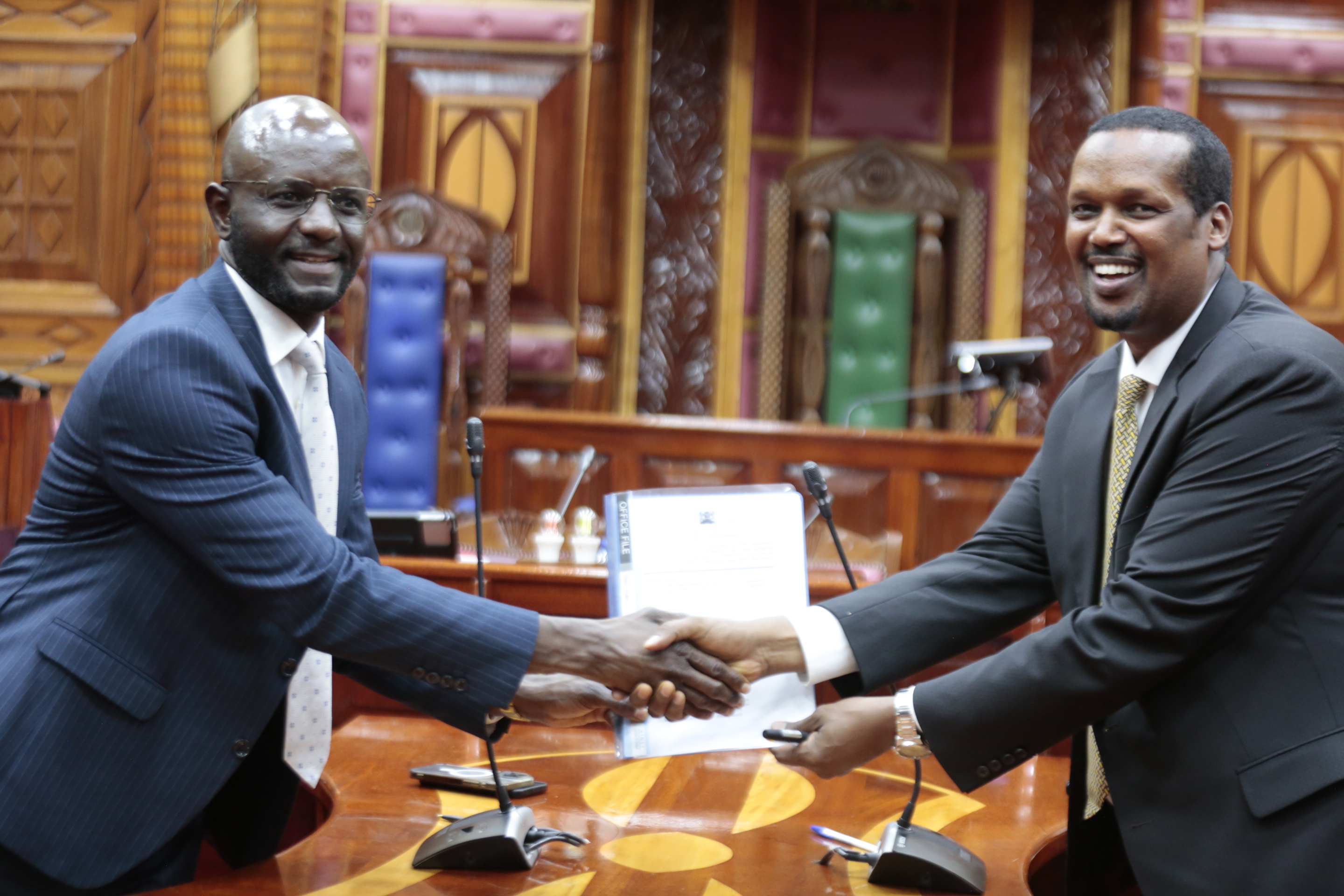
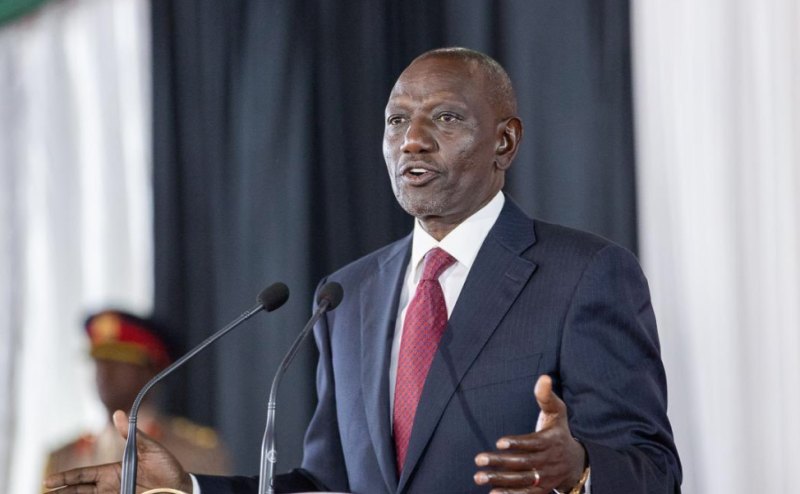
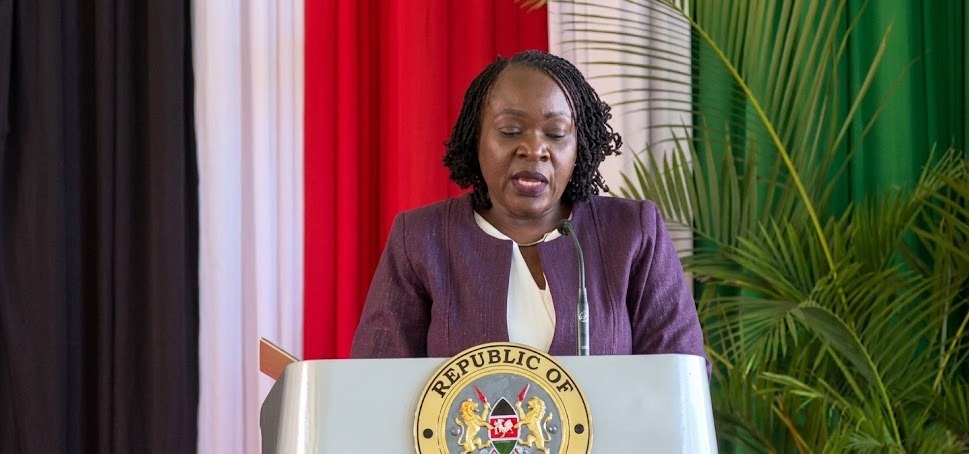
Speaking at State House, Nairobi, during the presentation of the Report on the Framework for Reparations for Victims of Human Rights Violations, Ogangah told President William Ruto that the compensation framework is limited to gross human rights violations and does not extend to ordinary criminal acts.
The distinction, she said, is necessary to ensure the reparations process remains focused on victims of state-linked abuses.
"The commission did this, acknowledging that not all cases reported to the commission qualify as gross human rights violations for reparations, as some were isolated criminal acts, including those committed by individual police officers and other citizens, which, Your Excellency, we believe should ideally go through the criminal justice processes," Ogangah said.
According to the KNCHR, qualifying cases include violations that were widespread or systemic in nature and involved state actors or agents.
These include extrajudicial killings, enforced disappearances, torture, severe injuries arising from excessive use of force and sexual and gender-based violence linked to demonstrations.
Ogangah said the commission documented cases arising from the disputed 2017 and 2022 general elections, as well as protests in 2023 and 2024, including demonstrations against the Finance Bill. Victims from the 2025 Saba Saba protests were also captured.
"The report that we shall shortly present to you documents and identifies cases or violations that were widespread or systemic in nature," she said.
However, acts such as looting, vandalism, assaults, and other forms of violence committed by civilians or by officers acting outside their official duties would be handled through the ordinary criminal justice system rather than the reparations fund.
Ogangah further disclosed that additional cases have been documented since the completion of the report and appealed to the President to consider including them in future compensation processes, subject to budgetary provisions.
The remarks come days after President Ruto extended the term of the Panel of Experts on Compensation of Victims of Human Rights Violations by 90 days.
According to a gazette notice issued by Chief of Staff and Head of Public Service Felix Koskei, the extension took effect on June 5, 2026, and will run until September 5, 2026, to allow the panel to complete its work.
The extension means victims may wait longer for compensation despite earlier assurances by the President that payouts would begin by June.
Speaking in March, Ruto noted that the government would set aside Sh2 billion in the supplementary budget to compensate victims of protests dating back to 2017.
"I took the first step and gazetted a victims' compensation panel. We have identified all the victims and profiled their names. We have a comprehensive list of all the victims of protests from 2017," the President said at the time.
The KNCHR said it will continue verifying claims submitted
through various institutions, including the Independent Policing Oversight
Authority and the Ministry of Interior, to ensure only eligible victims benefit
from the reparations programme.