


 Marine imports/ AI ILLUSTRATED
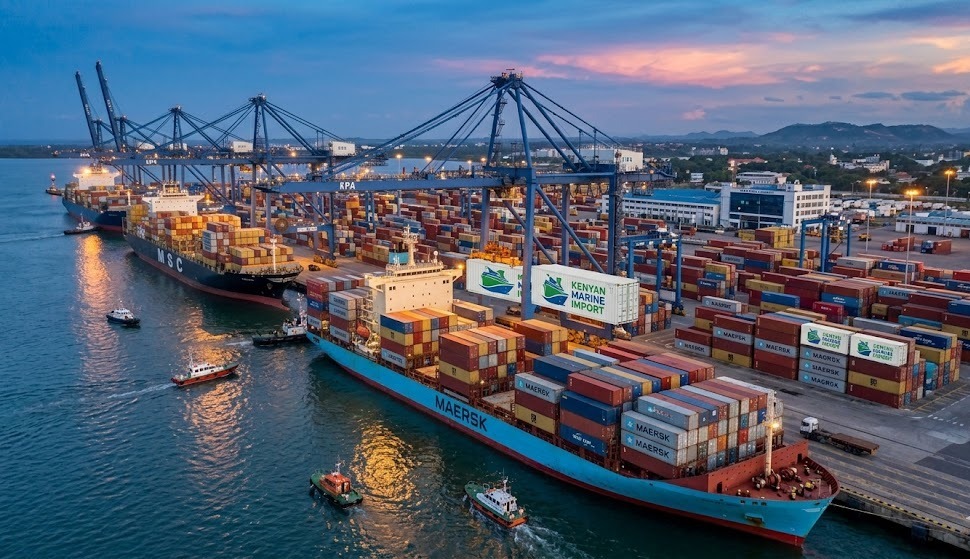
Treasury Cabinet Secretary John Mbadi has announced that all imports into Kenya will be required to obtain marine cargo insurance from locally licensed insurance companies starting July 1.
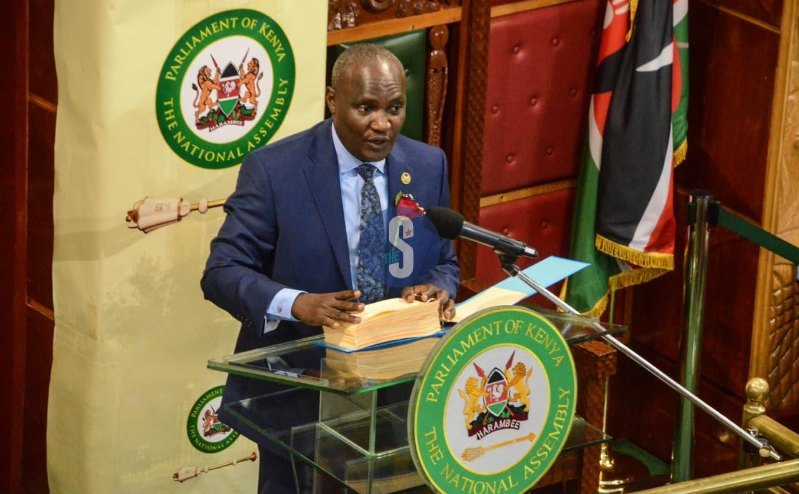
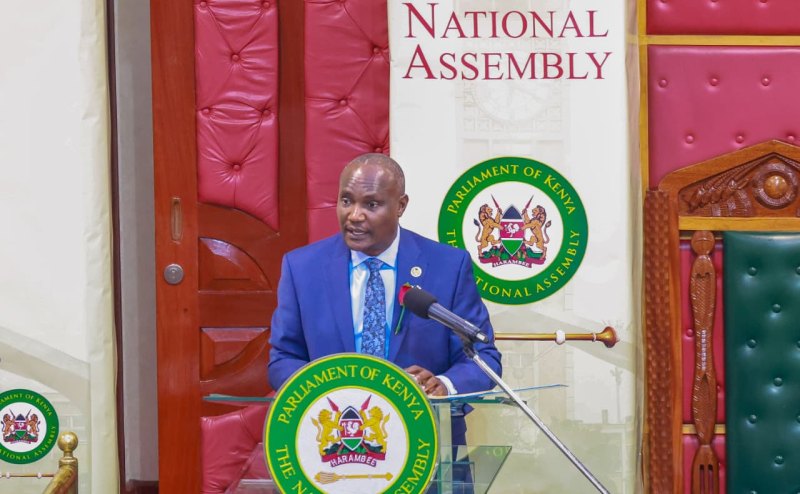
Presenting the 2026-27 Budget Statement in Parliament on Thursday, Mbadi said the move is aimed at retaining insurance premiums within the country, strengthening the local insurance industry and supporting economic growth.
The directive means importers who have traditionally relied on foreign insurance providers for marine cargo cover will now be required to source the service from Kenyan insurers licensed by the Insurance Regulatory Authority.
"All imports into the country shall be insured by locally licensed insurers under the marine cargo insurance policy beginning July 1, 2026," Mbadi said.
Mbadi said the measure forms part of broader reforms intended to boost domestic industries and ensure more value generated from international trade remains within the Kenyan economy.
The CS noted that billions of shillings in insurance premiums have historically flowed out of the country through foreign underwriters despite goods being destined for the Kenyan market.
Industry players have long argued that local insurers have the capacity to provide marine insurance services and should benefit from the growing volume of imports entering the country through the Port of Mombasa and other entry points.
The marine insurance directive was among a raft of policy measures announced by Mbadi as the government seeks to strengthen local industries, improve revenue collection and increase accountability in public spending.
As part of the reforms, the government also plans to introduce legal amendments to establish agricultural insurance as a standalone insurance class.
Mbadi said the programme has continued to play an important role in protecting farmers and pastoralists against climate-related losses.
According to the Treasury, about 2.7 million livestock valued at Sh29.23 billion have so far been insured under government-supported programmes.
The government has also paid out Sh614 million in compensation to pastoralists affected by livestock losses, providing a financial safety net for vulnerable communities facing drought and other climate shocks.
The CS said the proposed legal changes are intended to strengthen agricultural risk management and encourage wider uptake of insurance products within the farming sector.
Mbadi also announced sweeping procurement reforms aimed at enhancing transparency and curbing leakages in public expenditure.
Beginning July 1, all government procurement processes will be conducted through the Electronic Government Procurement (e-GP) system.
"No procurement shall be undertaken outside the e-GP platform from July 1, 2026," Mbadi told Parliament, saying the move will improve efficiency, accountability and oversight of public spending.
The move is expected to increase business opportunities for local insurance firms and brokers while expanding the sector's contribution to the economy.
However, importers are likely to closely monitor implementation of the directive, including pricing, claims processing and capacity within the local market.
The new requirement takes effect on July 1, coinciding with the start of the 2026/27 financial year.










![[PHOTOS] The Star, Chinese Embassy host Kenya-China media dialogue](https://cdn.radioafrica.digital/image/2026/06/215e29cd-5ca2-4faf-bb4e-d1686b2c3dad.jfif)