

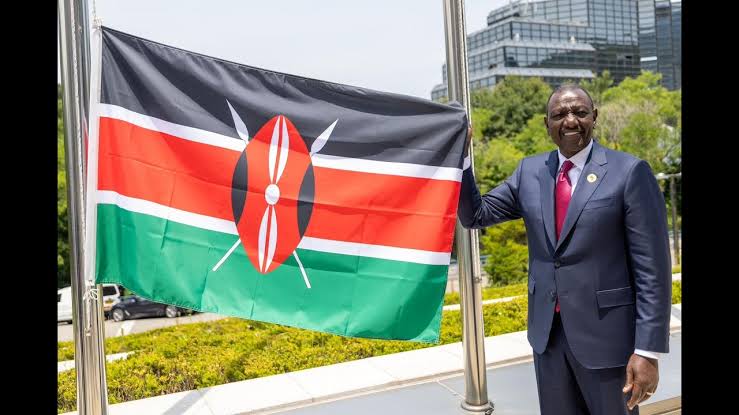
Every year, Kenyans come together to observe two key national holidays, Madaraka Day and Jamhuri Day, which mark important milestones in the country’s journey toward independence and self-governance.
While both are patriotic celebrations, they mark different events in the country’s history.
Madaraka Day, celebrated on June 1, commemorates the day in 1963 when Kenya attained self-rule from British colonial administration.
“Madaraka” is a Swahili word meaning “power” or “authority, and the day recognises the transfer of governing power to Kenyans.
It marks the first time the country was run by its own elected leaders, though Kenya was still officially a British colony at the time.
Jamhuri Day, observed on December 12, celebrates Kenya becoming a fully independent republic in 1964.
The word “Jamhuri” translates to “republic” in Swahili.
This day not only marks independence but also the establishment of the presidency and Kenya’s full sovereignty.
It is the day Kenya severed all colonial ties and elected its first President, Jomo Kenyatta, who had earlier served as the Prime Minister of independent Kenya.
Kenyatta transitioned from prime minister to president one year after independence.
In short, Madaraka Day is about self-governance, the first step toward freedom, while Jamhuri Day is about full independence and nationhood.
Both days are celebrated with patriotic events, including parades, cultural performances, and speeches.
Historical context and significance
Kenya’s path to independence was long and complex, shaped by decades of colonial rule, resistance movements, and political negotiation.
The struggle involved both violent and non-violent efforts by leaders and ordinary citizens alike.
Figures like Jomo Kenyatta, Tom Mboya, Oginga Odinga, and Dedan Kimathi played critical roles in advocating for freedom, negotiating political power, and laying the groundwork for a sovereign nation.
Madaraka Day, though less recognised internationally than Jamhuri Day, represents a turning point when the political reins were handed to Kenyans themselves.
It was an important learning period for the nation, allowing leaders to manage internal affairs and prepare for full independence.
Jamhuri Day, on the other hand, symbolises the culmination of decades of struggle.
It is a celebration not only of political freedom but also of national identity, pride, and unity.
The establishment of the republic marked the beginning of Kenya as a fully independent nation on the global stage.
Contemporary celebrations and national reflection
Today, both days are occasions for nationwide reflection and celebration.
Schools, government institutions, and communities hold events to educate citizens about Kenya’s history, promote patriotism, and foster unity.
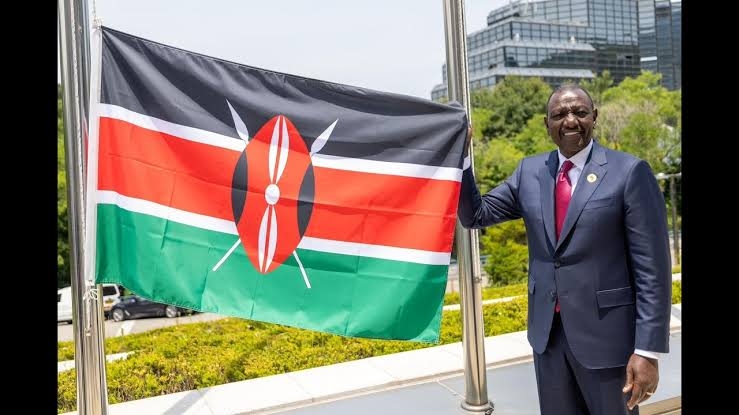
The display of Kenyan flags on buildings, homes, and streets remains one of the most visible and unifying symbols of these holidays.
It serves as a reminder of both the struggles and the achievements that have defined the nation’s history.
Jamhuri Day has become an important platform for highlighting Kenya’s achievements in sectors like tourism, wildlife conservation, and business innovation, as demonstrated in the 62nd celebrations at Nyayo Stadium.
While Madaraka Day reminds Kenyans of the hard work that went into gaining power, Jamhuri Day reminds them of the responsibility that comes with sovereignty.
Both holidays serve as a reminder that freedom is not only a historical milestone but also a continuous commitment to good governance, civic responsibility, and national unity.
This year’s Jamhuri celebrations thematic week was held from December 8-11, 2025, under the theme “Tourism, Wildlife, Meetings, Incentives, Conferences and Exhibitions (MICE).”
According to Government spokesperson Isaac Mwaura, the week focused on positioning Kenya as a global tourism and MICE hub by showcasing the country’s capacity to host major international events and strengthening its competitiveness through improved event bidding, promotion of key national events and investment in MICE infrastructure.
He observed that the sector plays a significant role in supporting aviation, hospitality, retail and the broader economy.
Kenya’s connectivity, expanding hotel capacity, digital infrastructure and facilities such as KICC were highlighted as central to attracting business tourism and foreign investment.
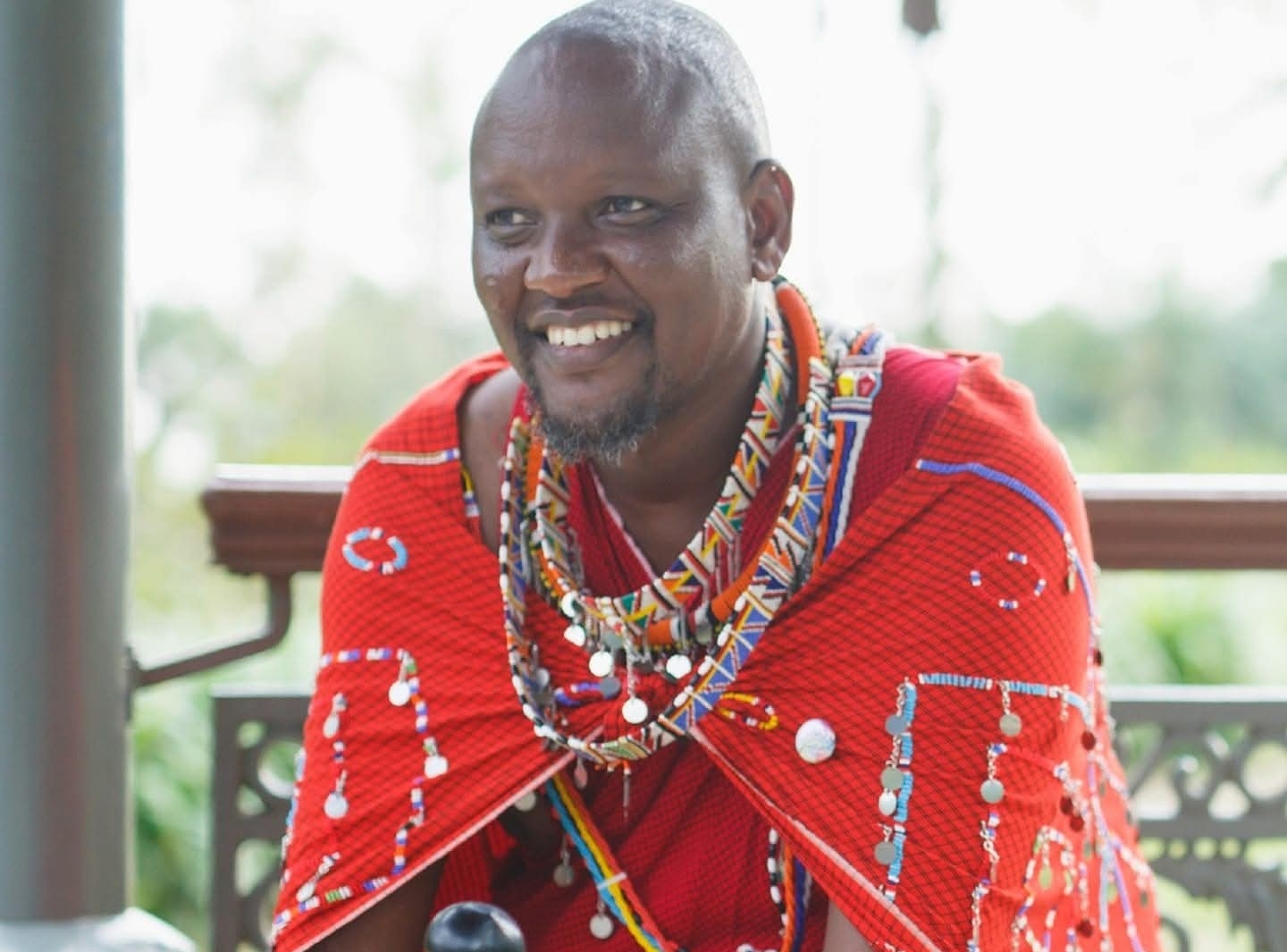
The programme included youth mentorship activities, cultural performances, fashion showcases, traditional dances, panel discussions and the lighting of the KICC tower, alongside the launch of a holiday booking desk aimed at promoting domestic tourism.
The week concluded with the release of the Wildlife Census Report and a town hall meeting, underscoring the contribution of cultural and wildlife tourism to the country’s national brand.