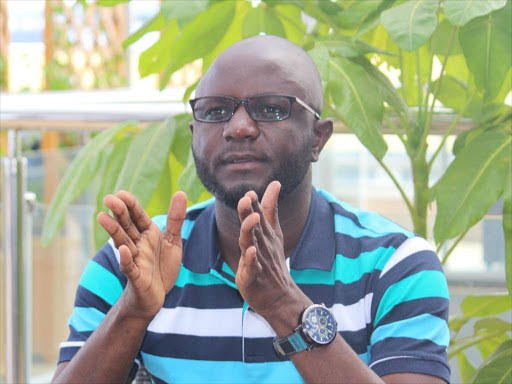

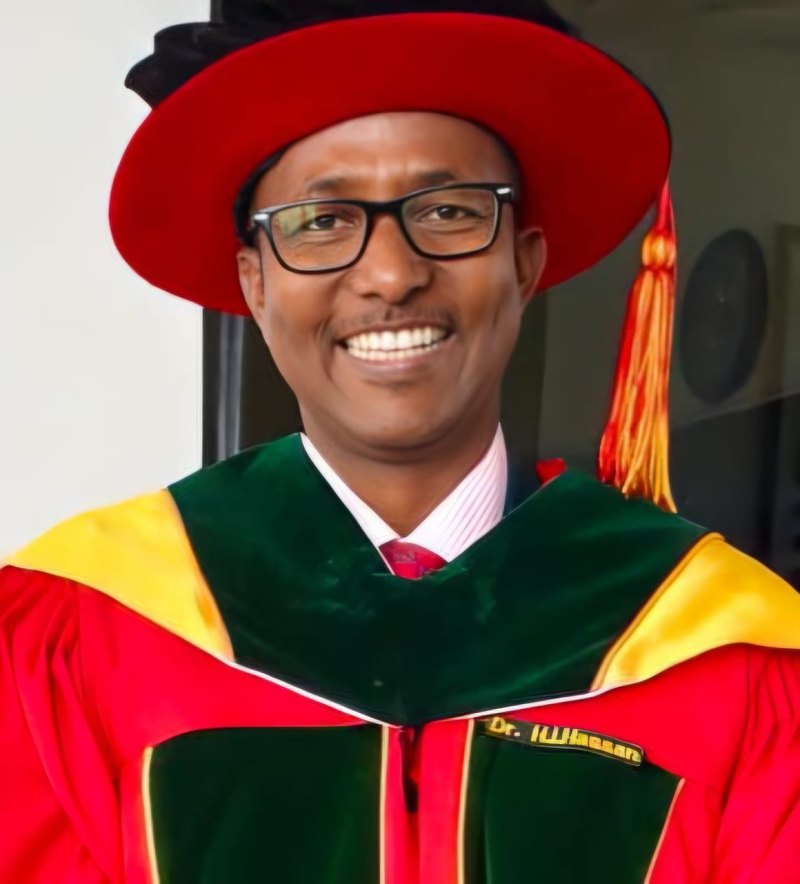
 Dr. Harun Issack Hassan, PhD Professor of Psychology and Director, Kenya Mental Health Board/HANDOUT
June is globally recognised as Men's Mental Health Awareness Month, a time dedicated to raising awareness about the emotional and psychological challenges facing men today. While mental health conversations have become more common in recent years, many men continue to struggle in silence, burdened by societal expectations that discourage vulnerability and emotional expression.
In a rapidly changing world marked by economic pressures, social transformation, and technological advancement, addressing men's mental health has become more urgent than ever.
Mental health experts worldwide have consistently observed that men are less likely than women to seek psychological support, despite experiencing significant levels of stress, depression, anxiety, and emotional distress. Globally, men account for a disproportionately high number of suicide deaths, highlighting the consequences of untreated mental health conditions and delayed help-seeking behaviour.
In Kenya, mental health professionals continue to express concern about the growing burden of psychological distress among men. Although awareness has improved, many cases of depression, anxiety disorders, substance abuse, and stress-related conditions remain undiagnosed and untreated due to stigma and cultural expectations.
For generations, society has associated masculinity with strength, independence, and self-reliance. From an early age, many boys are taught to suppress emotions and solve problems on their own. While resilience is an important quality, these expectations can prevent men from seeking support during difficult periods of their lives.
As a result, emotional struggles often go unnoticed until they begin affecting relationships, work performance, physical health, and overall quality of life.
Financial Pressure and Economic Uncertainty
One of the most significant challenges affecting modern men is financial pressure.
Rising living costs, economic uncertainty, unemployment, and the responsibility of supporting families create considerable stress for many households. Men often feel compelled to fulfil traditional expectations as providers, and when circumstances make this difficult, feelings of frustration, inadequacy, anxiety, and hopelessness may emerge.
Consider the experience of a middle-aged father who loses employment during an economic downturn. Faced with mounting financial obligations and reluctant to discuss his fears openly, he may experience persistent anxiety, insomnia, and emotional exhaustion. Such experiences are increasingly common and demonstrate how economic hardship can affect mental well-being.
Workplace Stress and Burnout
The workplace also presents substantial mental health challenges.
Today's professional environment is highly competitive, demanding long working hours, continuous productivity, and constant adaptation to changing technologies. Many men struggle to balance career ambitions with family responsibilities and personal well-being.
The resulting pressure can lead to chronic stress, burnout, reduced productivity, emotional exhaustion, and deteriorating physical health.
Employers increasingly recognise that mental wellness is not only a personal issue but also an organisational concern. Healthy employees are more productive, engaged, and resilient.
Loneliness in a Connected World
Another growing concern is loneliness and social isolation.
Despite living in a digitally connected world, many men lack meaningful social support systems. Friendships often become difficult to maintain due to work commitments, family obligations, and changing lifestyles.
Without trusted individuals to confide in, emotional burdens can become increasingly difficult to manage. Research has consistently shown that strong social connections are among the most important protective factors against depression, anxiety, and psychological distress.
Social Media and Unrealistic Expectations
Social media has added a new dimension to mental health challenges.
Online platforms frequently portray idealised images of success, wealth, fitness, and happiness. Constant exposure to these carefully curated lifestyles can encourage unhealthy comparisons and damage self-esteem.
Many men may feel they are falling short of societal expectations, even when their achievements and circumstances are perfectly normal. Such comparisons can contribute to feelings of inadequacy, dissatisfaction, and emotional distress.
Relationship and Family Pressures
Modern men often juggle multiple responsibilities as partners, fathers, caregivers, and providers.
While these roles can be deeply rewarding, they can also generate significant emotional strain. Relationship conflicts, separation, divorce, parenting challenges, and caregiving responsibilities can all affect mental well-being.
Many men struggle to discuss these challenges openly, choosing instead to internalise stress and emotional pain.
Changing Concepts of Masculinity
Society's understanding of masculinity continues to evolve.
While modern culture increasingly encourages emotional intelligence, empathy, and openness, some men may feel uncertain about how to navigate changing expectations. Balancing traditional values with contemporary social norms can be challenging and, at times, emotionally confusing.
The goal is not to abandon strength but to redefine it. True strength includes self-awareness, emotional resilience, and the willingness to seek support when needed.
The Importance of Breaking the Stigma
Breaking the stigma surrounding mental health remains one of the most important priorities.
Many men avoid seeking help because they fear being judged, misunderstood, or perceived as weak. This stigma prevents countless individuals from accessing support that could significantly improve their quality of life.
Seeking help should be viewed as a sign of courage, responsibility, and self-awareness rather than weakness.
Open conversations within families, workplaces, schools, religious institutions, and communities can help normalise discussions about emotional well-being and encourage men to seek assistance when necessary.
Strengthening Mental Health Support in Kenya
Kenya has made important progress in promoting mental health awareness through policy reforms, public education campaigns, and advocacy initiatives. However, significant gaps remain in access to mental health services, particularly in underserved and rural communities.
Expanding access to counselling services, strengthening community mental health programmes, increasing public awareness, and integrating mental health care into primary healthcare systems will be essential in addressing the growing mental health burden.
Families, employers, educational institutions, faith-based organisations, and community leaders all have a role to play in creating supportive environments where men feel safe discussing their struggles.
Practical Steps for Better Mental Health
Mental health experts recommend several practical strategies for maintaining emotional well-being:
Engage in regular physical exercise.
Maintain healthy sleep habits.
Eat a balanced and nutritious diet.
Build and maintain strong social connections.
Practice effective stress-management techniques.
Seek professional support when emotional challenges become overwhelming.
Participate in community and family activities that promote connection and belonging.
Men experiencing persistent stress, anxiety, depression, or emotional distress should remember that help is available through mental health professionals, counselling centres, hospitals, employee assistance programmes, and community support services.
A Call to Action
As Men's Mental Health Awareness Month is observed this June, the message is clear: mental health matters.
Men face unique challenges in today's world, but they do not have to face them alone. By encouraging understanding, compassion, and open dialogue, society can help break down barriers that prevent men from seeking help.
Healthy men contribute to healthy families, stronger communities, and a more resilient nation.
The true measure of strength is not suffering in silence but having the courage to seek help, support others, and prioritise mental well-being.
This June, and throughout the year, let us commit ourselves to making men's mental health a national priority.
The writer is a Professor of Psychology and Director, Kenya Mental Health Board