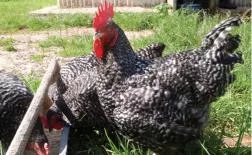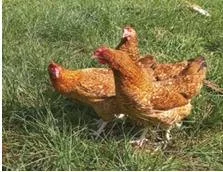
KC3 Kalro indigenous chicken breed /HANDOUT
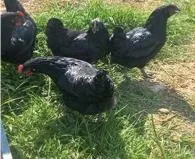
KC2 Kalro indigenous chicken breed /HANDOUT.
For many Kenyan households, indigenous chicken are more than a source of food. They are a source of income, a cultural symbol and a financial safety net during difficult times.
Yet, as the cost of commercial poultry production continues to rise, keeping chickens has become increasingly expensive, forcing many farmers to rethink how they produce eggs and meat.
It is against this backdrop that the Kenya Agricultural and Livestock Research Organisation (Kalro) has developed three improved indigenous chicken breeds, namely KC1, KC2 and KC3.
These are meant to help farmers produce more with fewer inputs while meeting growing consumer demand for hardy, dual-purpose birds.
According to Dr Peter Alaru, coordinator of the Non-Ruminants Research Programme at Kalro, the three breeds combine the resilience of indigenous chicken with improved productivity, making them suitable for smallholder and commercial poultry farmers.
"Farmers today are looking for birds that grow faster, lay more eggs, survive under different production systems and remain profitable despite rising feed costs. These improved indigenous breeds were developed to respond to those needs," he says.
The KC1 breed is easily recognised by its attractive black-and-white speckled feathers. Beyond its striking appearance, the bird is valued for its hardiness, calm temperament and ability to thrive under diverse climatic conditions.
The breed is dual-purpose, making it ideal for meat and egg production.
It also possesses auto-sexing traits, allowing farmers to distinguish male from female chicks at an early stage using feather colour, reducing the need for expensive chick-sexing methods.
KC2, on the other hand, stands out because of its distinctive all-black appearance, from its feathers to its skin.
Besides attracting premium prices in niche markets, the breed has cultural significance in parts of Kenya, particularly along the Coast, where black chicken are often associated with traditional ceremonies and beliefs.
Alaru says the breed's uniqueness has created demand among consumers willing to pay more for rare birds, while its adaptability makes it suitable for both backyard and commercial production systems.
KC3 features attractive brown-spotted plumage that has become increasingly popular in live bird markets.
The breed also produces cream-white eggs and has distinctive yellow legs, a trait often associated with free-range and organically raised poultry.
Like KC1, KC3 also has auto-sexing characteristics, making breeding and flock management easier for hatcheries and farmers.
Unlike traditional indigenous chicken, which often lay fewer than 100 eggs annually, Alaru says the Kalro breeds can produce between 250 and 280 eggs during a laying cycle under proper management.
The birds begin laying at about 18 weeks, while males reach market maturity in around 16 weeks. Mature hens weigh between 2.2 and 2.3 kilogrammes, while cocks can reach up to three kilogrammes, making them suitable for both egg and meat production.
According to Kalro, the birds are adaptable to a wide range of production systems, including free-range, organic, semi-intensive and commercial farming, without requiring specialised housing or equipment.
The development of the three breeds came at a time when poultry farmers are grappling with unprecedented increases in the cost of feed, energy, transport and production inputs.
According to the Association of Kenya Feed Manufacturers (Akefema), feed alone accounts for between 60 and 70 per cent of poultry production costs, making profitability increasingly difficult for farmers.
Alaru says the improved breeds were specifically selected for their ability to perform well under extensive systems, utilise locally available feed resources and adapt to low-input production methods.
The growing demand for dual-purpose birds, increased interest in food security, climate resilience and sustainable farming also informed the breeding programme.
"Kalro chicken are suitable for farmers looking to reduce production costs while maintaining good productivity. Their adaptability, scavenging ability and strong performance make them ideal for the current production environment," he says.
While improved genetics provide a strong foundation, Alaru notes productivity depends largely on proper management.
He advises farmers to purchase quality chicks from reputable hatcheries, provide balanced nutrition, maintain clean drinking water, ensure proper housing with adequate ventilation and implement strict biosecurity measures.
In addition, routine vaccination, regular cleaning of poultry houses and accurate record-keeping are equally important in reducing disease outbreaks and improving profitability.
He adds that farmers should also embrace climate-smart production practices, seek extension support and establish reliable market linkages to maximise returns from poultry farming.