
Kenya is losing over Sh600 billion in stalled and mismanaged public infrastructure projects emanating from mismanagement of funds, stalled projects, corruption and poor implementation of relevant legislative frameworks.
A latest report dubbed Corruption Risks Assessment of Infrastructure Projects in Kenya by Transparency International has highlighted how infrastructure projects fuel graft.
“Unfortunately, the infrastructure sector remains at risk and susceptible to corruption and governance failures,” TI says in the report released Tuesday.
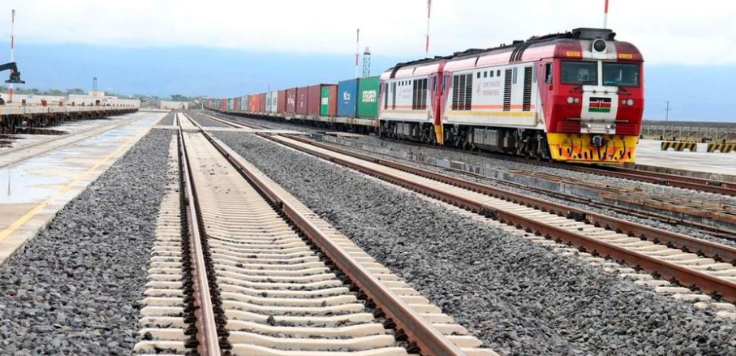
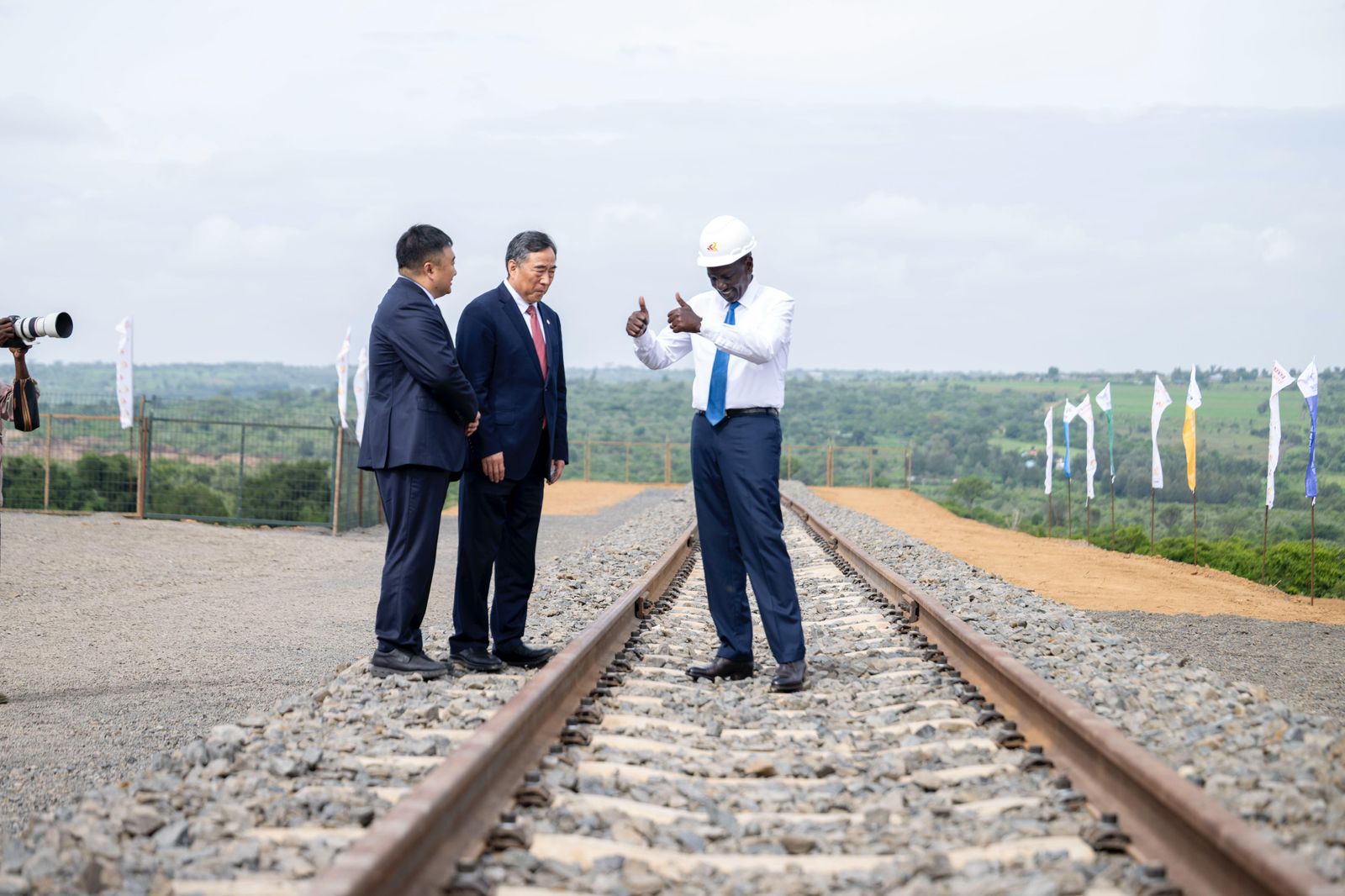
The report focused on the Standard Gauge Railway, the Kiambu Civil Servants Housing Scheme and the Vihiga Affordable Housing Project.
The corruption risk assessment revealed projects illustrate varying corruption risks ranging from very high risks in the SGR project to moderately high risks in the two housing projects.
Weak and limited public participation, inadequate documentation, and opaque procurement processes catalysed by vested interests were some of the red areas spotlighted that magnify the risk of corruption in the three assessed infrastructure projects.
“These findings underscore the pressing needs for institutional accountability and enhanced transparency in the nation's investment management processes, ensuring that infrastructure projects in the country deliver value for money – serving their intended purposes, contributing to sustainable and inclusive development that meets the community needs.”
The assessment of the three projects, which was conducted between September 2025 and March 2026, relied on a combination of Open-source data search and analysis, access to information requests, fact – finding missions and stakeholder consultations. The
Infrastructure Corruption Risk Assessment tool ICRAT was applied in the research.
Based on the analysis done using the ICRAT tool, the SGR project had the highest corruption risk, with an indicative corruption risk rating of 4.49, which is considered very high compared to the other two infrastructure projects assessed.
Major critical loopholes identified were – weak grievance mechanism; opaqueness of the contracts whereby there was limited public disclosure of full project costs, loan terms, and detailed expenditure, reduced transparency and public oversight; opaque procurement processes and non-transparent community engagements.
The SGR project was mainly financed through Chinese loans and executed by external contractors, voicing concerns on long-term debt sustainability and conflict of interest.
On the Kiambu Civil Servants Housing Scheme executed during President Uhuru Kenyatta's tenure under the affordable housing pillar of the Big Four Agenda, the project displayed a moderately high corruption risk with a vulnerability score of 3.24.
Key corruption risk areas pointed out were – conflict of interest in procurement process, environmental planning concerns, and transparency on the budget in terms of the amount of money allocated versus the amount of money spent.
“Notwithstanding the fact that the project followed a more structured policy framework, bureaucratic and procurement delays, as well as limited private investors' interest due to regulatory and market risks, curtailed its effectiveness in addressing the housing shortage.”
The Vihiga Affordable Housing implemented under President William Ruto – Bottom – Up Economic Transformation Agenda on the affordable housing program – project recorded moderately high corruption risk with a vulnerability score of 3.56.
Major corruption risks spotlighted areas included absence of critical project documentation which include Environmental Impact Assessment, feasibility studies, Environmental and Social Impact Assessment, superficial community engagement during the project design and inception phase and probable conflict of interests in the project procurement processes.
“These gaps cast doubts on the project’s transparency and long-term sustainability frameworks,” TI states.