
 KNH conducts live Ebola emergency response simulation/ KNH X
Kenyatta National Hospital (KNH) has conducted a full-scale Ebola emergency response simulation exercise at its Infectious Diseases Unit.
The exercise was aimed at testing the country’s readiness to detect, isolate, and manage suspected cases under real-time clinical conditions.
Referred to as the Kenya Bundibugyo Ebola Virus Disease (BVD) simulation, the event brought together emergency medical teams, laboratory personnel, and infection prevention specialists in a coordinated drill designed to mirror an actual outbreak scenario.
According to KNH, the simulation was aimed at strengthening preparedness across multiple response areas.
"The full-scale preparedness drill is aimed at testing and strengthening our capacity for early detection, screening, isolation, laboratory testing, case management, safe decontamination, and coordinated emergency response," the hospital said in its statement.
The drill simulated two simultaneous patient scenarios.
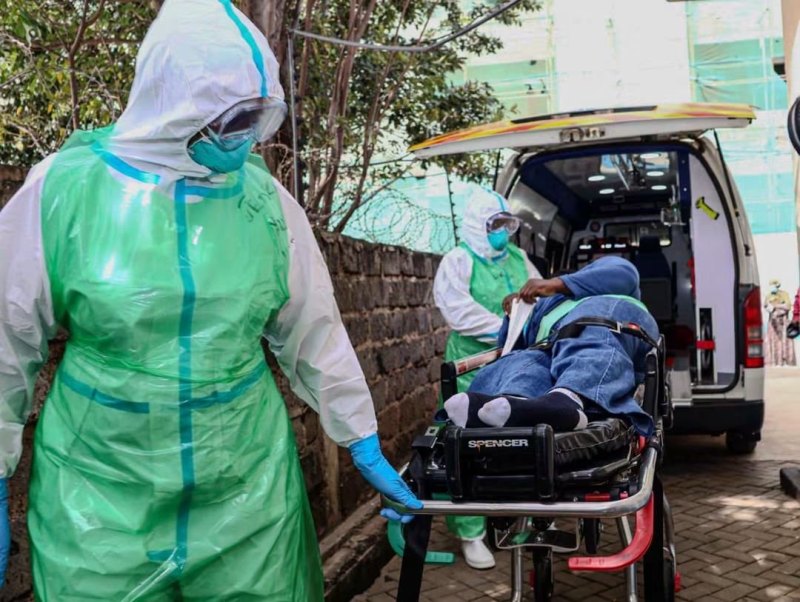
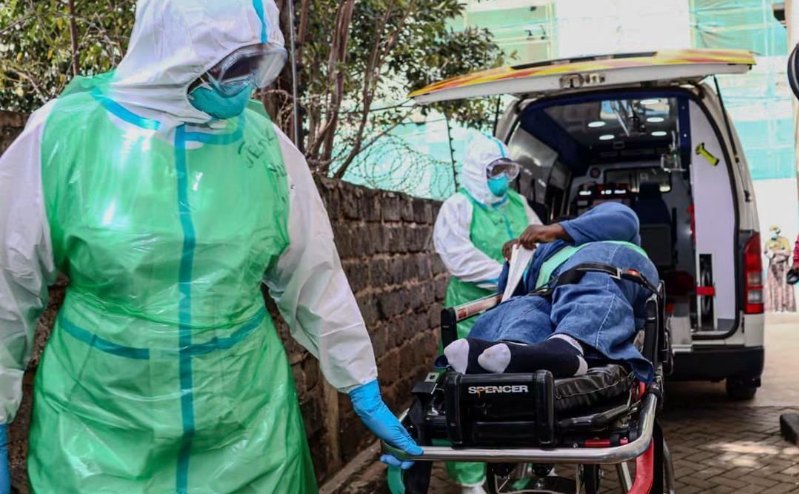
In the first case, a patient was brought in by ambulance as a suspected Ebola case and immediately admitted into isolation.
The patient underwent testing and was later confirmed positive for Ebola.
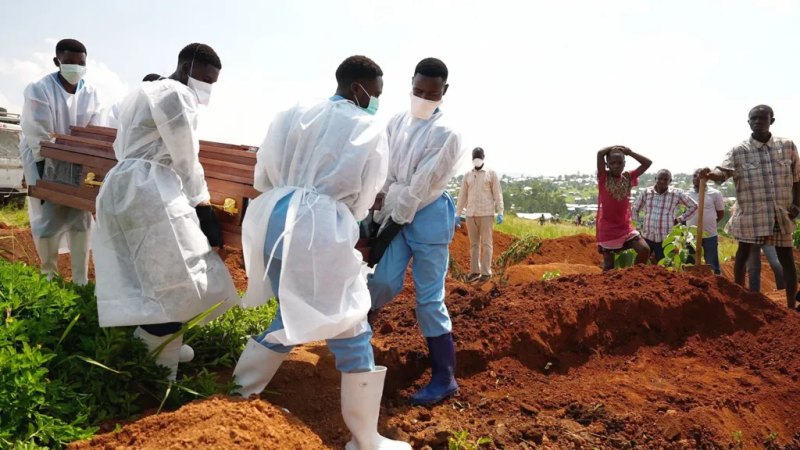
The simulation further followed the patient’s clinical progression, including deterioration with bleeding symptoms, before eventual death—reflecting the severity of the disease and the importance of rapid response and infection control.
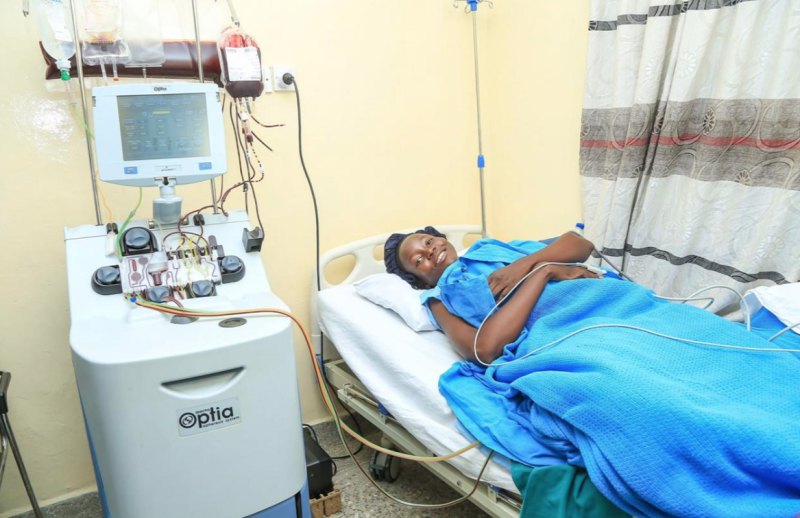
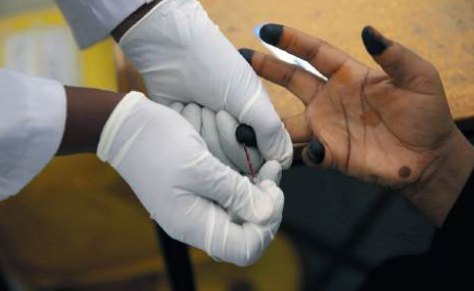
In the second scenario, a walk-in patient presented at the hospital entrance and was subjected to screening procedures.
"Patient 2 was tested for both Ebola and malaria, found Ebola negative and malaria positive, responded well to treatment, and was safely discharged," the statement added, demonstrating the importance of differential diagnosis and routine screening at entry points.
KNH said the simulation provided a critical opportunity to assess readiness in real time, especially in handling high-risk infectious disease cases within a controlled isolation environment.
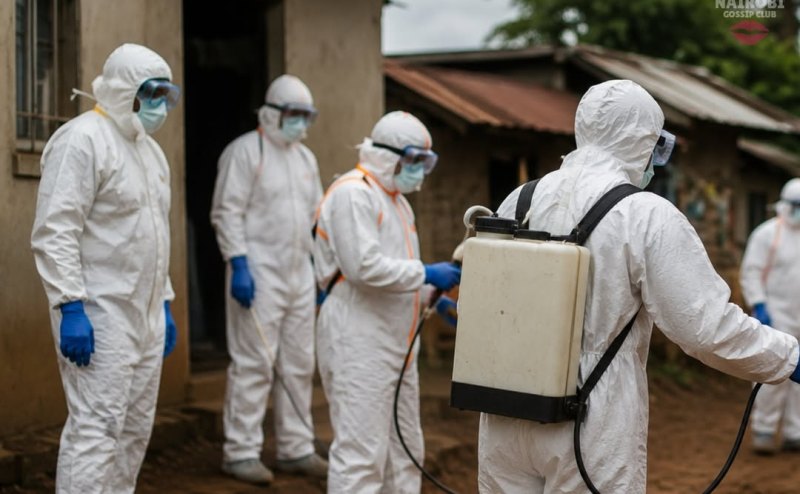
The exercise also reinforced adherence to infection prevention and control (IPC) protocols, including the use of personal protective equipment (PPE), safe handling of specimens, and coordinated patient management between clinical and laboratory teams.
The hospital noted that the drill was not an isolated event but the culmination of a one-week national Training of Trainers (ToT) programme on Ebola preparedness.
The programme was conducted in collaboration with the Kenya National Public Health Institute (KNPHI), the Ministry of Health, and other health partners.
According to national health officials, more than 2,500 healthcare workers across the country have now been trained on Ebola prevention and response.
KNH reaffirmed its commitment to continuous capacity building.
"Preparedness remains our strongest defense. Through continuous simulation exercises and capacity building, we remain committed to delivering safe, responsive, and resilient healthcare services," the facility said.
The trained personnel are expected to cascade knowledge to county and sub-county health facilities, while community health promoters will play a frontline role in identifying and reporting suspected cases early.