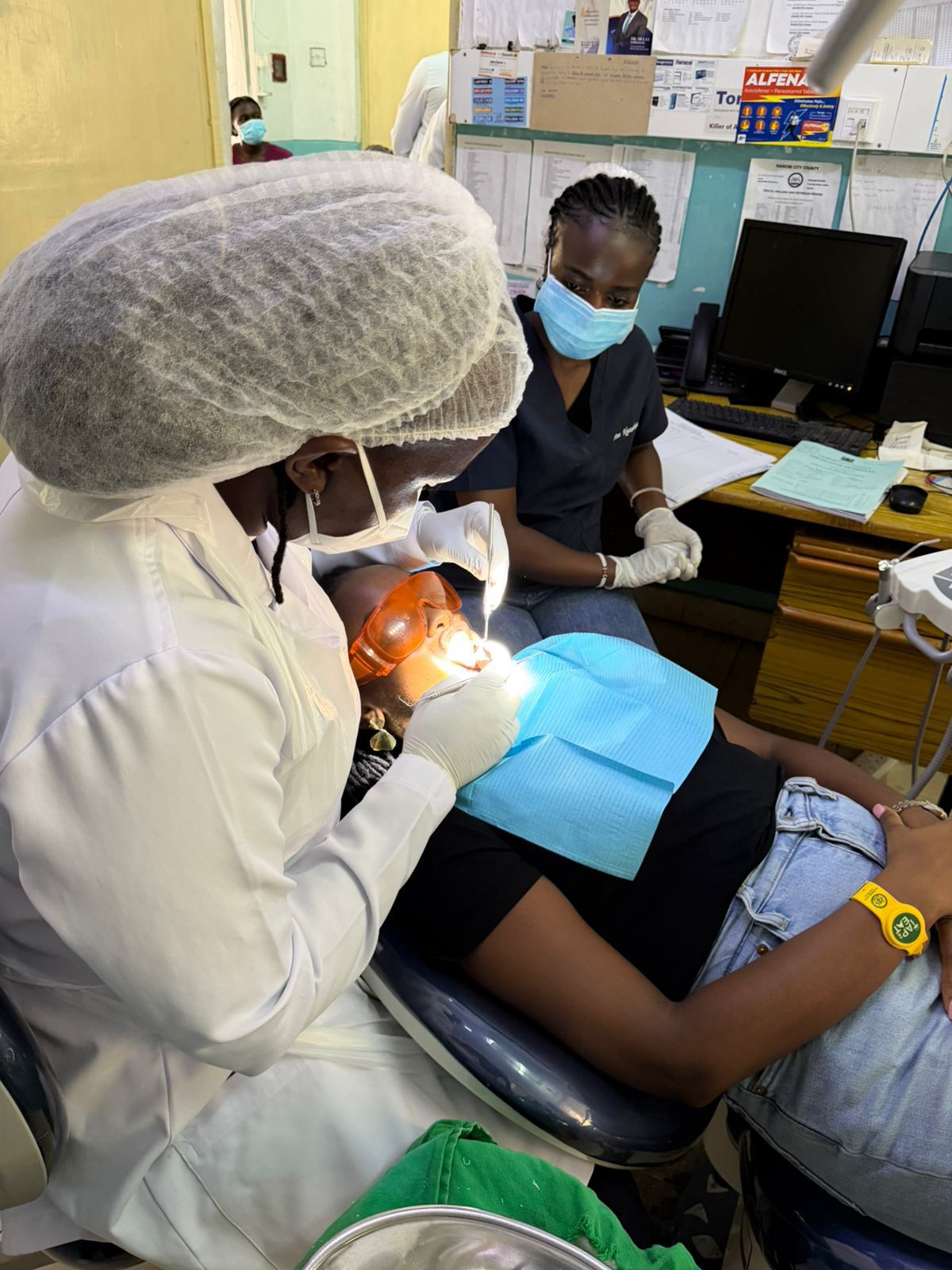



The Kenya Dental Association (KDA) has raised an alarm over the proliferation of healthcare training programmes being introduced without proper consultation, accreditation, and approval from the relevant regulatory bodies.
The Association has warned that the trend could compromise patient safety and healthcare standards in the country.
In a statement, KDA President Kahura Mundia expressed concern over the continued establishment of healthcare courses through irregular processes, without adequate oversight by the statutory and professional bodies responsible for healthcare education, professional registration, and quality assurance.
According to the association, healthcare education remains a highly regulated sector because the competence of healthcare professionals directly affects the health, safety and lives of patients.
"Any attempt to introduce professional healthcare courses through irregular processes, without proper regulatory oversight, curriculum validation, accreditation, clinical training standards and stakeholder engagement, poses a significant threat to the integrity of Kenya's healthcare system," the statement said.
KDA warned that students enrolled in unapproved or poorly regulated programmes risk finding themselves unable to register with professional bodies or secure employment after graduation.
Among the risks highlighted were ineligibility for professional registration and licensure, rejection of qualifications by regulatory boards and employers, costly retraining requirements, and the loss of time, financial resources and career opportunities.
The association noted that parents and sponsors also stand to suffer significant financial losses when they invest in programmes that fail to meet professional recognition standards.
However, KDA emphasised that patients ultimately face the greatest danger if graduates from inadequately regulated programmes enter the healthcare system.
"Training programmes that lack proper accreditation, adequate clinical exposure, qualified faculty and standardised competency assessments may produce graduates with critical deficiencies in knowledge, skills and professional judgment," the association said.
The body warned that the emergence of "backdoor" healthcare training pathways threatens to erode decades of progress made in strengthening healthcare education and professional regulation in Kenya.
KDA also formally recorded its opposition to the continued accreditation of the Bachelor of Science in Oral Health degree programme, arguing that the course, in its current form, does not align with the established competency frameworks, scope of practice and professional standards governing dental healthcare delivery in Kenya.
"As the representative body of dental health professionals in Kenya, KDA is deeply concerned that this programme, as currently constituted, does not align with the established competency frameworks, scope of practice and professional standards that govern dental healthcare delivery in Kenya," the association stated.
The association has called on the Ministry of Health, the Ministry of Education, the Commission for University Education, professional regulatory councils and quality assurance agencies to investigate healthcare training programmes whose accreditation status, clinical training arrangements and professional recognition remain unclear.
Among its recommendations, KDA urged regulators to strengthen inter-agency coordination in approving healthcare training programmes, ensure meaningful consultation with professional bodies, publish clear guidance on approved courses and institutions, conduct regular compliance audits and take enforcement action against institutions operating outside legal and regulatory frameworks.
"The country risks a future marked by declining healthcare quality, erosion of public confidence in health professionals and preventable harm to patients. The time for decisive regulatory action is now," the statement said.
KDA maintained that patient safety, professional integrity and public confidence in healthcare must remain paramount as regulators move to address a growing threat to healthcare quality in Kenya.