
The weight of the law should build society, not destroy it further, a priest has said in the wake of the recent ruling to decriminalise romantic teenage relationships.
Reverend Moses Kimani, an Anglican Church in Kenya priest based in Nairobi, welcomed the decision that prohibited the automatic criminalisation of consensual, close-in-age teenage sexual relationships, noting that previous frameworks unfairly burdened boys.
“If there are consequences for the unlawful acts, then those should apply to both. In this case, it seems that it is true that the boys seemed to be the ones bearing the heavy weight of the consequences of such unlawful actions. And to that extent, I agree with the ruling that it shouldn't be so,” he said.
“This is a consensual situation. Not rape, no one's forced, no one's coerced. This is consensual.”
But for Kimani, the judgment delivered by Justice Bahati Mwamuye must not be the final word, nor should it be misconstrued as a judicial license for sexual behaviour among minors.
Instead, he argued that when natural outcomes like early pregnancy occur, the priority of the courts and society must shift to the best interests of the unborn child.
Rather than throwing a teenage boy into a dungeon and leaving a young mother disenfranchised, Kimani proposed a restorative approach where courts enter rulings that compel young couples to take responsibility while building a future.
“I suggest that then in such situations rulings be entered into where the young boy and girl would be required to find means to take care of their young family,” Kimani suggested.
He envisioned a system where teenagers secure part-time jobs, enrol in technical colleges to gain vital skills and provide regular progress reports to the courts, transforming a mistake into an opportunity for societal integration.
This call for a revamped approach came at a time when national population authorities warn that families are ill-equipped to guide the youth.
Speaking at the ninth Reproductive Health Network Kenya Pan-African Scientific Conference in Mombasa, Lucy Kimondo, the acting director general of the National Council for Population and Development revealed that many of today’s parents are raising children without having benefited from adequate parenting and mentorship themselves.
She observed that a collapse in traditional family and community mentorship structures has left today's youth uniquely vulnerable to poor health outcomes, forcing them to rely on misinformation from peers and social media platforms.
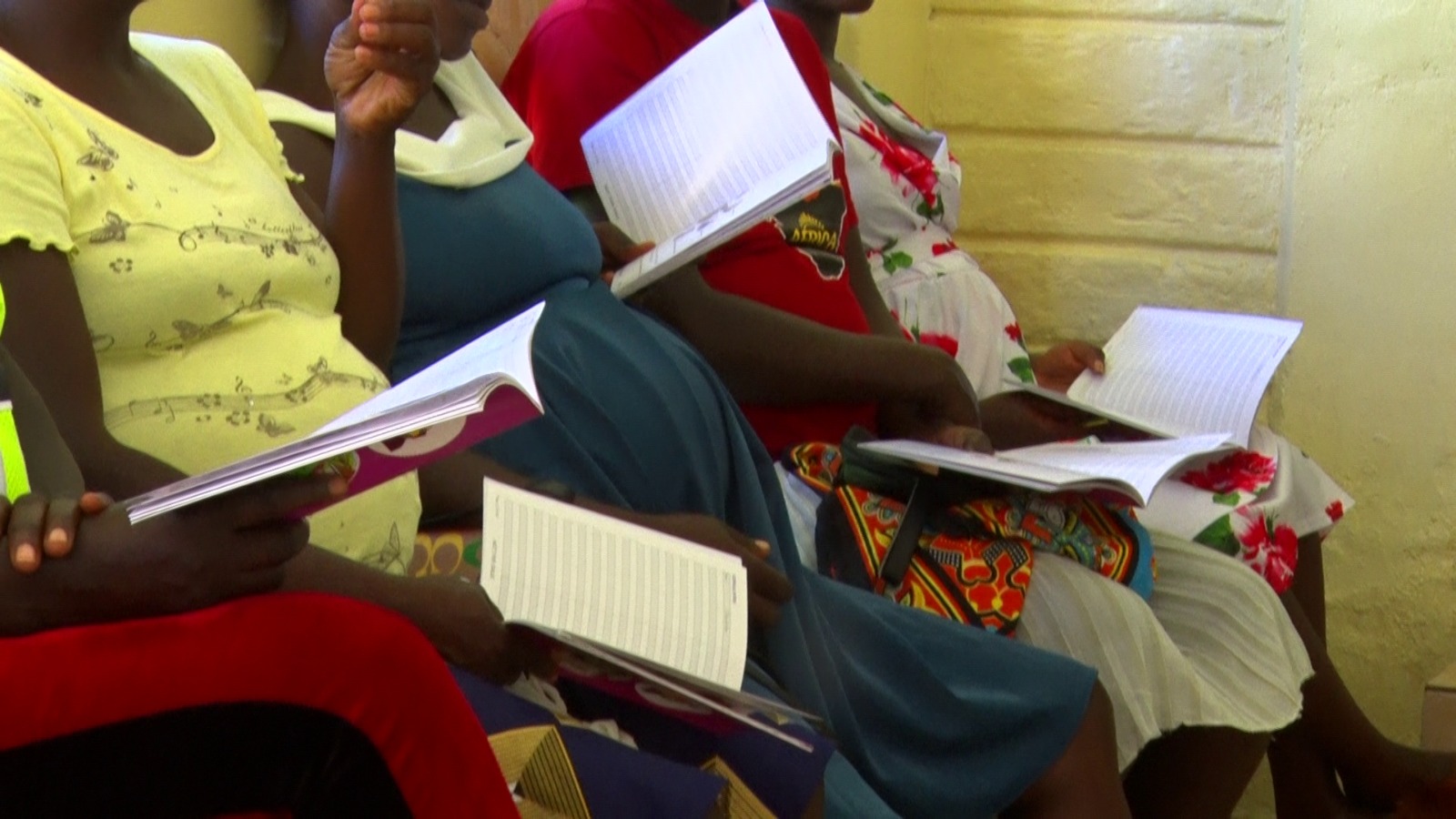
The crisis is reflected in stark Ministry of Health data showing that youth aged 15 to 24 account for 41 per cent of all new HIV infections, while 15 per cent of teenage girls across the country are already pregnant or are mothers.
“Youth voices matter and must be heard,” Kimondo said, calling for a coordinated effort by families, institutions and policymakers to nurture young people.
While there is a growing consensus that criminalisation is not the solution, the relaxation of legal penalties has met sharp resistance from educators who believe strict boundaries are essential.
John Okoth, a teacher and mentor who closely interacts with teenagers, argued that the High Court's reasoning risks weakening the very protections Parliament intended to provide through sections of the Sexual Offences Act.
He cautioned that creating exemptions based on perceived romance or mutual affection introduces subjectivity into child protection laws, ignoring the reality that minors lack the maturity to understand the long-term emotional, physical and educational consequences of their choices.
Teacher John maintained that legal protections must reflect indigenous cultural standards. “Kenya's child is an African child,” Okoth emphasised.
“Such a child enjoys constitutional rights but those rights exist within a social and cultural context that values responsibility, morality, family integrity and protection of childhood. The law should continue to uphold these values and protect minors from conduct that society has long recognised as potentially harmful.”
Okoth noted that what appears to be mutual consent may mask unequal power dynamics, coercion, or peer pressure, largely driven by social media trends and celebrity idols.
Weakening these statutory provisions, he warned, would unintentionally normalise teenage sexual activity, thereby undermining nationwide efforts to curb school dropouts and school pregnancies.
Reproductive health advocates, however, counter that laws must adapt to the actual lived experiences of adolescents.
Jolly Mukangu, the executive director of the Usawa Reproductive Health Centre, said Kenya must maintain robust protections against adult predators while acknowledging adolescent development.
“Critics will argue that minors cannot fully grasp long‑term consequences such as pregnancy, disease or emotional harm. But critics should stop living in utopia and know that girls and boys are having sex,” Mukangu observed.
Mukangu supported the legal distinction between exploitative adult relationships and consensual, close-in-age peer relationships.
However, she warned that implementing a consensual ruling without accompanying support systems would place girls in immense danger.
Due to systemic vulnerabilities, the biological and social costs of early intimacy remain highly gendered. Between a boy and a girl, Mukangu noted, “whoever carries the burden of the sex, mostly is the girl.”
To prevent an escalation in HIV infections and unplanned pregnancies, she called for explicit close-in-age exemptions to be managed through social welfare channels rather than criminal courts, alongside comprehensive sexuality education and independent oversight mechanisms.