

Kenyans face higher healthcare costs despite the rollout of the Social Health Insurance Fund, a new report suggests.
A new
global report projects medical inflation in the country to rise faster than
ordinary consumer prices.
The 2026
Global Medical Trend Rates Report by global professional services firm Aon
projects Kenya’s medical costs will rise by 13.5 per cent next year, compared
to the country’s projected general inflation rate of 4.9 per cent.
The report
places Kenya among African countries experiencing sustained pressure from
rising healthcare costs.
This is
driven by, among others, growing demand for medical services, dependence on
imported pharmaceuticals and medical equipment, currency fluctuations and the
increasing burden of chronic illnesses.
The
findings come at a sensitive time for Kenya’s healthcare sector as the
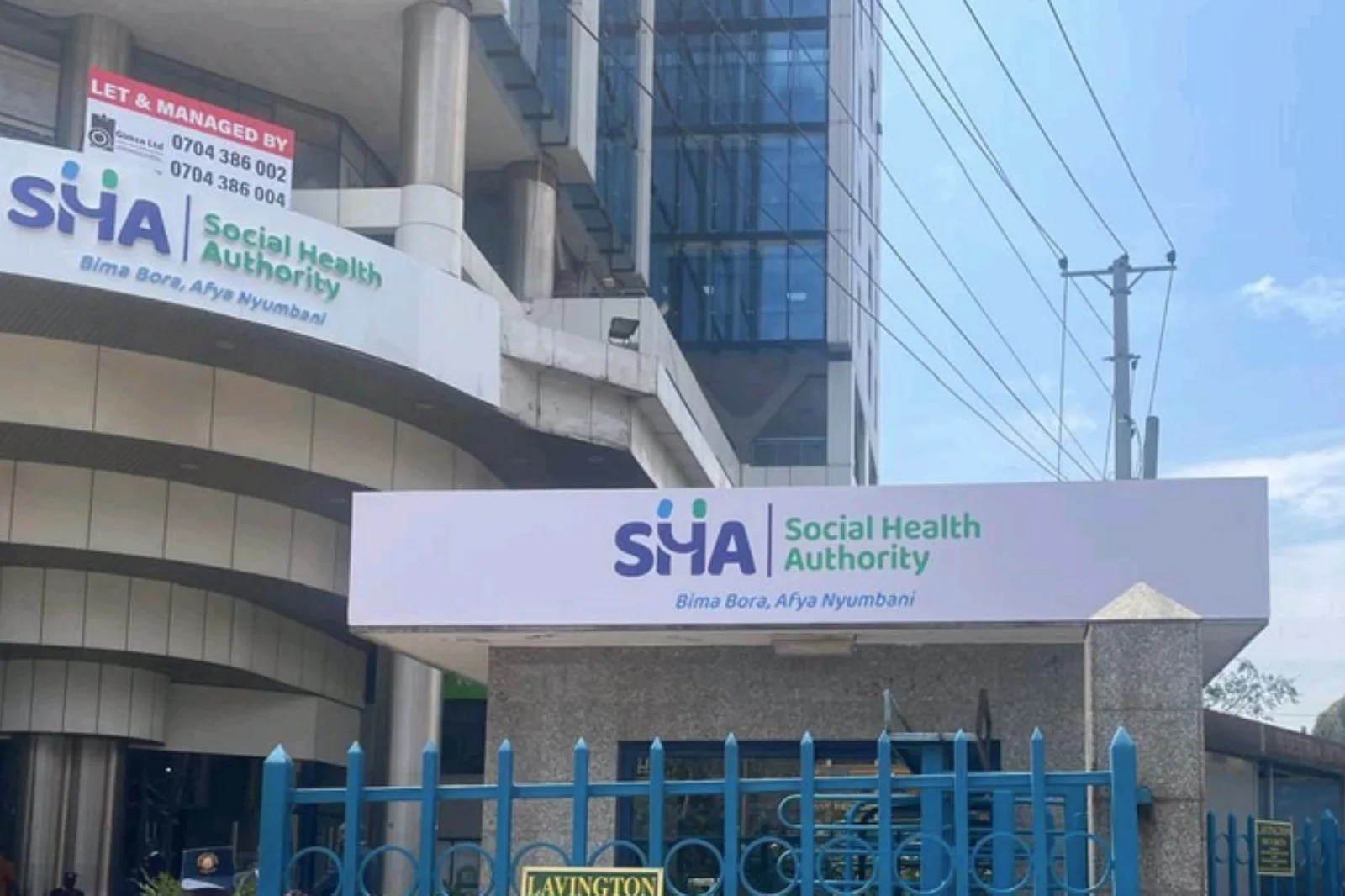
government pushes ahead with the implementation of SHIF under the broader
Universal Health Coverage agenda.
The new
system replaced the National Health Insurance Fund and introduced mandatory
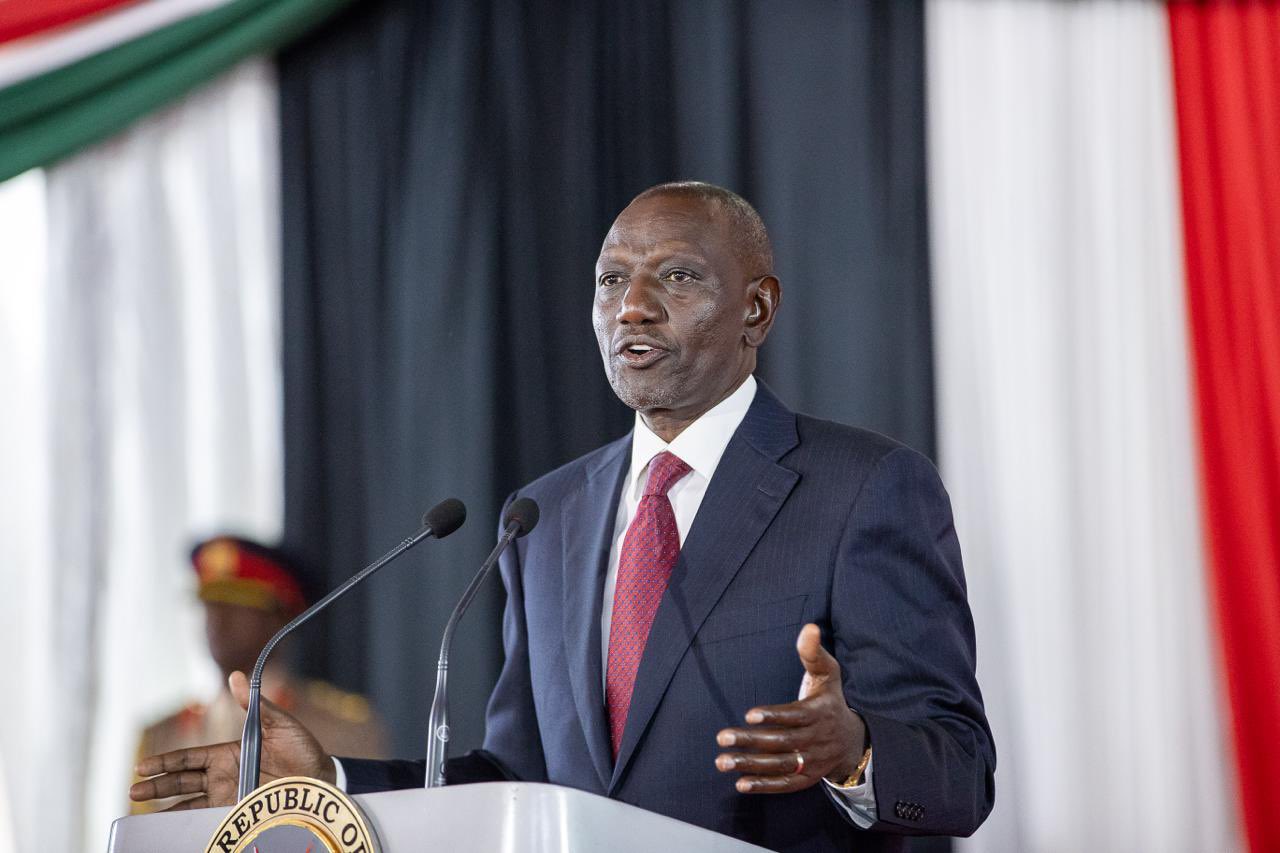
household contributions tied to income. The move, one of President William
Ruto’s flagship programmes, has generated sharp public debate amid complaints
over the high cost of living and concerns about affordability.
Under SHIF,
formally employed workers contribute 2.75 per cent of their gross salary, while
informal sector households are required to make annual contributions based on
means testing. Critics have argued that the deductions are coming at a time
when many households are already struggling with high food prices, taxes, rent
and school fees.
The Aon
report suggests those pressures could intensify if medical inflation continues
outpacing normal inflation by such a wide margin.
According
to the report, Kenya’s net medical trend rate, which measures medical inflation
after accounting for ordinary inflation, is projected at 8.6 per cent in 2026,
up from 7.5 per cent in 2025.
This means
healthcare costs are expected to rise significantly faster than the prices of
ordinary goods and services.
The report
notes that employer-sponsored medical schemes across Africa are under
increasing pressure due to chronic diseases, such as hypertension,
cardiovascular illnesses, cancer and diabetes.
Globally,
cardiovascular diseases remain the leading driver of medical costs, followed by
cancer and hypertension.
The report
further highlights obesity, poor nutrition and physical inactivity as growing
contributors to healthcare inflation, warning that prescription drug costs are
also rapidly rising globally.
The
findings could renew questions about whether SHIF will adequately shield
households from catastrophic medical costs or whether workers and employers
will end up paying more into both public and private health systems
simultaneously.
Already,
many employers in Kenya are maintaining private insurance cover for workers
despite mandatory SHIF deductions, largely due to concerns over gaps in public
healthcare services and uncertainty surrounding the transition from NHIF.
The report
indicates that globally, employers are increasingly resorting to cost-cutting
measures to manage rising healthcare expenses, including renegotiating
insurance contracts, introducing flexible benefit plans, increasing employee
cost-sharing and expanding telemedicine and wellness programmes.
Kenyan
companies have similarly been grappling with rising insurance premiums over the
past few years, with some firms reducing outpatient limits, increasing
co-payments or limiting coverage for dependants.
The
continued rise in medical inflation may complicate the government’s push for
universal healthcare unless public facilities are strengthened to reduce
reliance on costly private hospitals and imported medicines.
The report
also underscores Kenya’s vulnerability to external economic shocks due to heavy
reliance on imported pharmaceuticals and medical technologies, factors that
expose the country to exchange rate volatility and global supply chain
disruptions.
Although
Kenya’s projected medical inflation remains below countries such as Nigeria,
Ethiopia and Malawi, it is still significantly above the regional inflation
average and nearly three times the country’s projected ordinary inflation rate.
The
findings are likely to fuel further debate over the sustainability of
healthcare financing reforms at a time when households are increasingly
sensitive to new deductions and rising living costs.