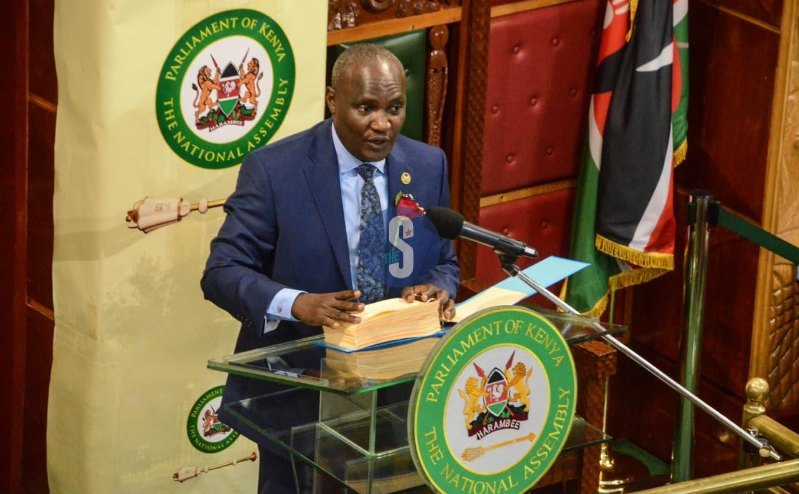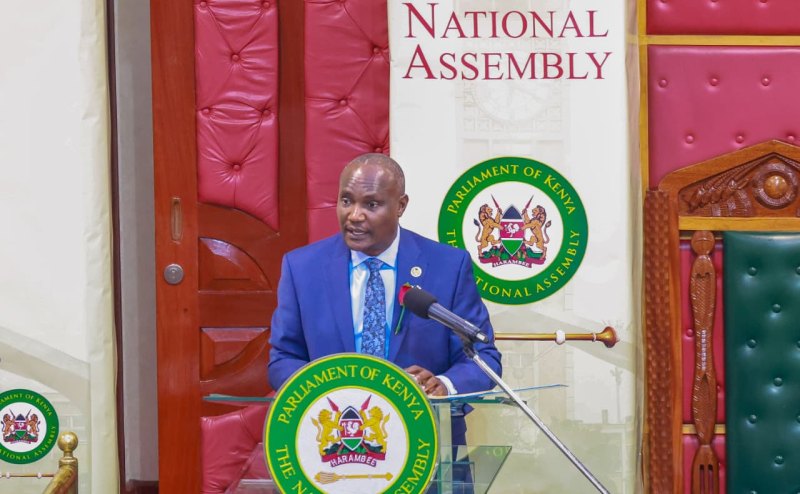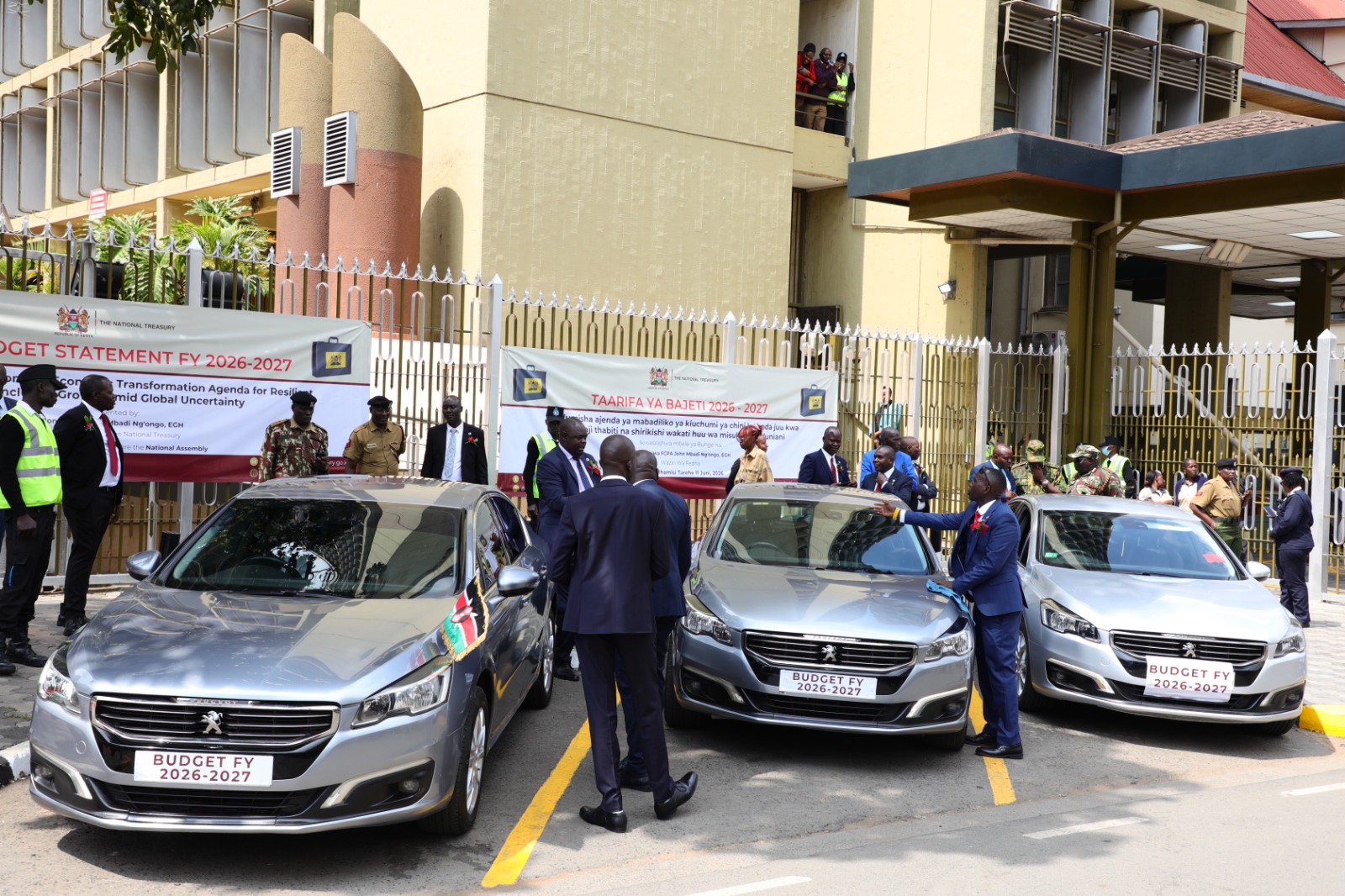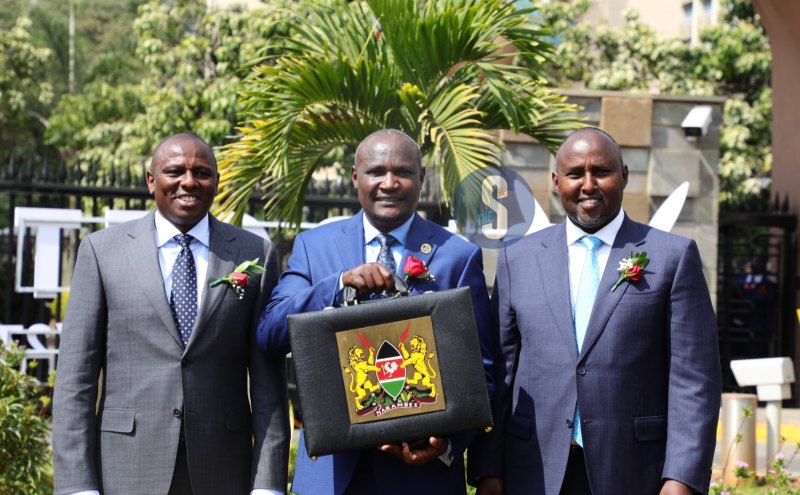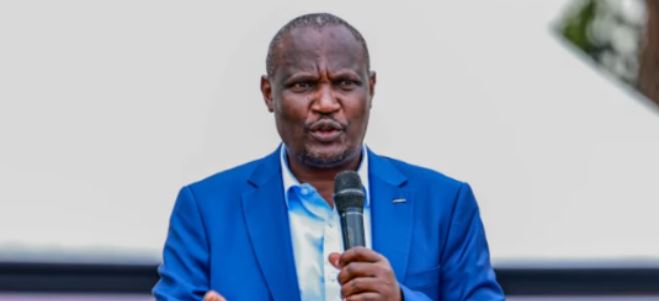
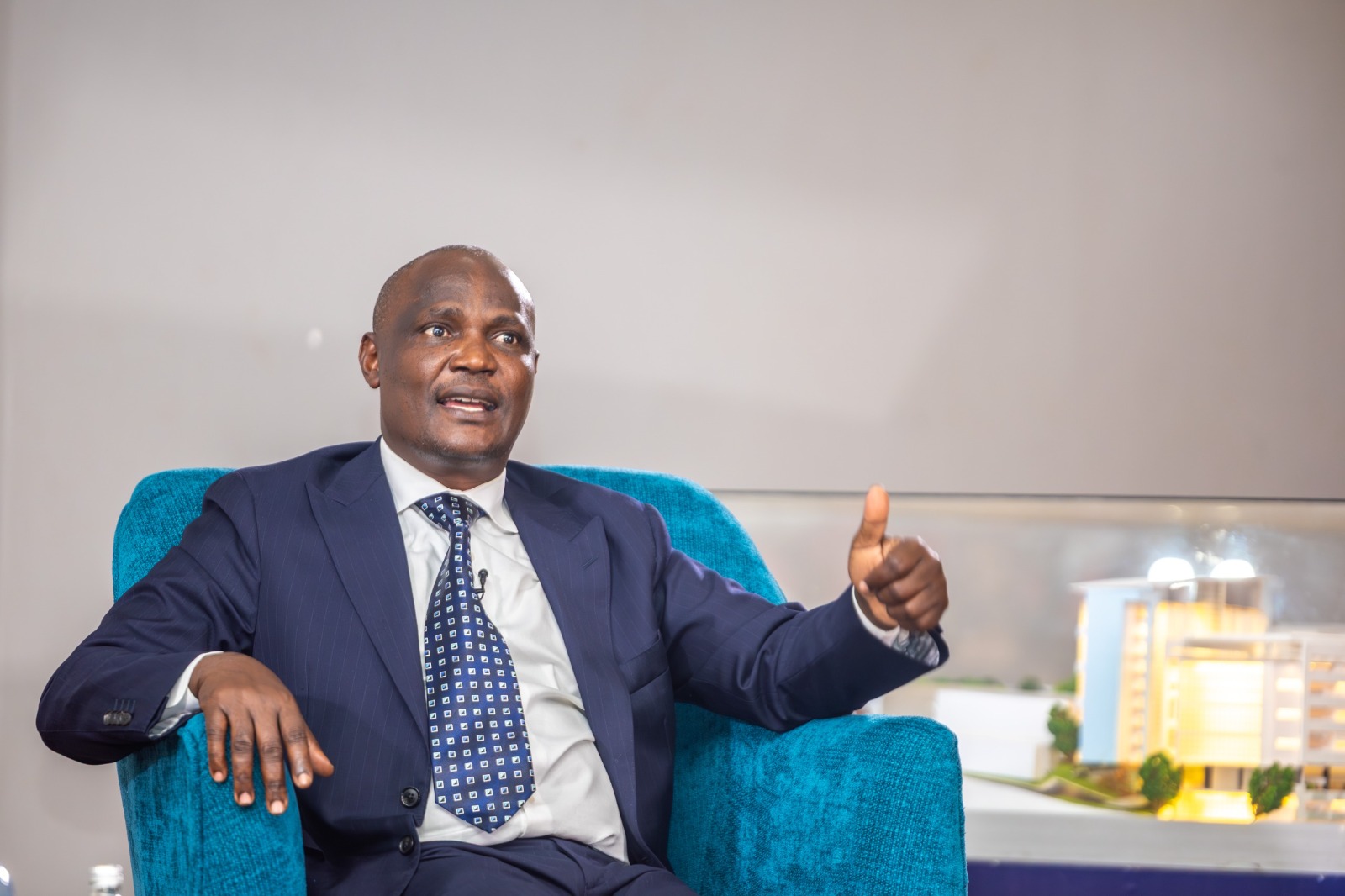
Treasury Cabinet Secretary John Mbadi has defended the proposed Finance Bill, saying the government is focusing on widening the tax base and improving tax collection efficiency rather than introducing new tax burdens on Kenyans.
Mbadi said the National Treasury had deliberately avoided increasing tax rates following concerns raised by Kenyans during the 2024 Finance Bill debates.
“Because of the history and because of the experience of 2024, we took a decision that we are not going to increase the tax rates for Kenyans because Kenyans have complained and justifiably so that the taxes that are being levied on them are too much,” Mbadi said.
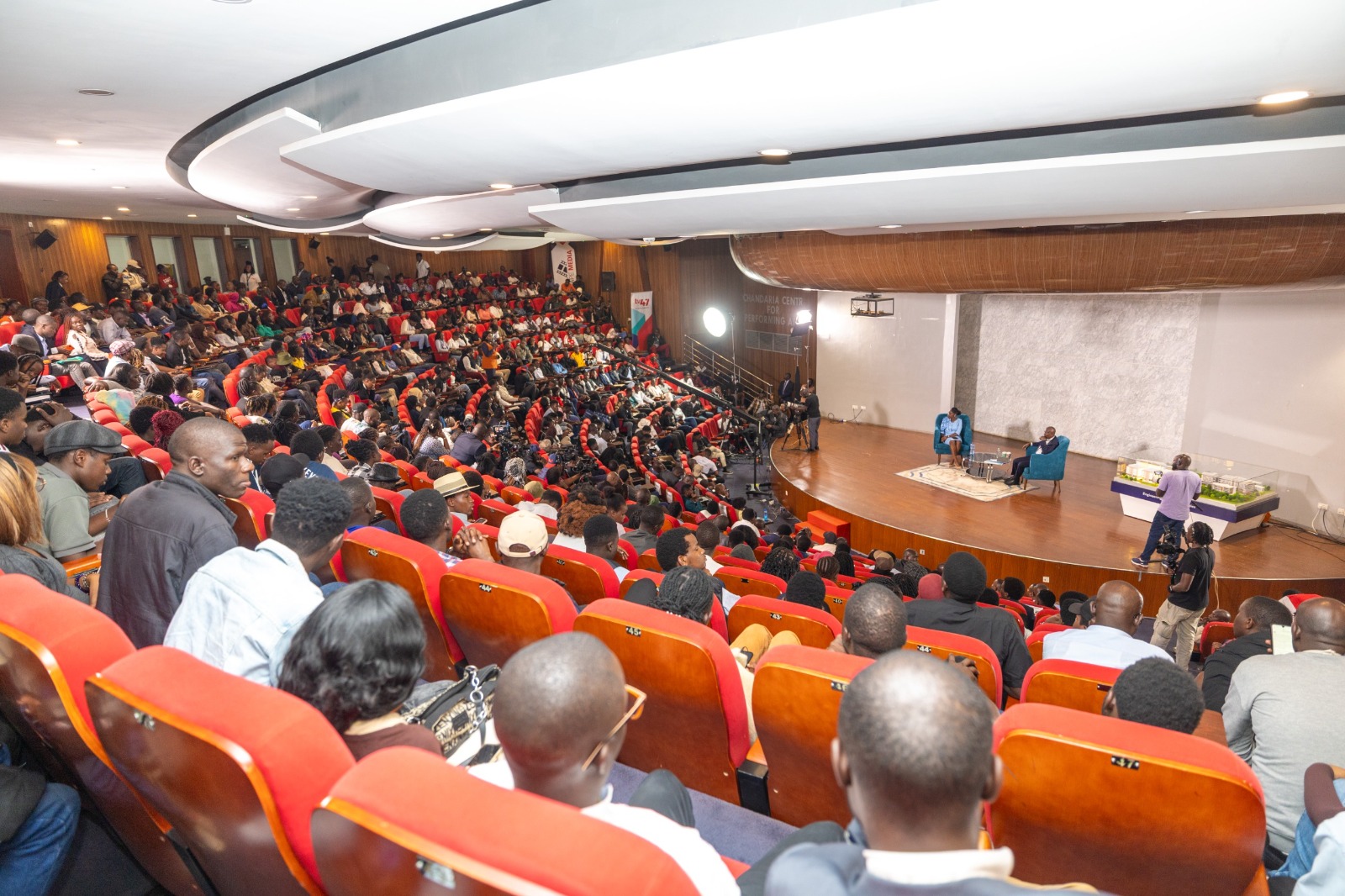
Speaking during an interview aired live during a media engagement on the Finance Bill at the University of Nairobi, the CS said the current Finance Bill mainly focuses on administrative reforms aimed at sealing loopholes and ensuring more Kenyans contribute to the tax system.
Mbadi added that the Treasury had adopted a more open and consultative approach in developing the bill, insisting many of the proposals originated from public submissions.
“For the first time in the history of this country, and I think we from the Treasury have lived up to it, we have been more open and transparent. We have communicated to Kenyans from the beginning,” he said.
“I want us to understand that the Finance Bill is not something that we just create at the Treasury and bring to the people. A lot of whatever we put in the Finance Bill comes from Kenyans themselves. There is engagement. We make advertisements, and we ask for opinions and views,” he added.
According to the CS, views collected during public participation are compiled by Treasury officials before being forwarded to him for approval.
Mbadi argued that many Kenyans with the financial ability to pay taxes remain outside the tax bracket, leaving compliant taxpayers to shoulder the burden.
“A lot of Kenyans out there who have more ability than those who are paying taxes are not paying taxes. So we are looking for those ones,” he said.
He explained that broadening the tax base would help ease pressure on salaried employees and other compliant taxpayers.
“Broadening the tax base simply means bringing more Kenyans, more people to pay tax so that those who are already paying taxes should not continue bearing the burden alone, but rather we reduce their burden and expand the tax base,” Mbadi explained.
During the engagement, student Brian Farah questioned why previous efforts to widen the tax base had failed and how the government intended to enforce the new measures this time round.
Responding to the question, Mbadi admitted that weak systems and outdated tax collection methods had contributed to low compliance levels.
“If you look at our business, our business has literally shifted to technology, to digital. But we are still too manual and mechanical in collecting our taxes. We are moving away from that,” he said.
The Treasury CS revealed that the government had allocated additional funding to the Kenya Revenue Authority to modernise and digitise tax collection systems.
Mbadi said the Treasury expected to collect about Sh54 billion through the proposed tax measures, with an additional Sh30 billion projected from tax amnesty programmes.
He explained that the amnesty targets taxpayers whose cases have already been determined in favour of the government at the tax tribunal level.
“These are Kenyans, these are business people, these are people with liquidity challenges. We give them this amnesty, they do not pay interest and penalties on the taxes that have been determined, they just pay the principal sum,” Mbadi explained.
The CS further said the government was targeting self-employed professionals and landlords, who it believes are underpaying taxes.
“If you look at the structure of our economy, those who are in formal payroll employment compared to those who are making revenue from their businesses and other professional lines, the number is almost 50/50, but personal income tax from that space is only Sh50 billion,” he said.
“For those who are on the payroll and employees, it’s Sh600 billion.”
Mbadi cited professionals such as dentists and accountants as examples of self-employed Kenyans the government wants to bring fully into the tax system.
“That mismatch is caused by your dentist, who is not paying tax after taking a lot of money from you. The accountant who is preparing books and is not paying tax, and there are many. I’m talking about these self-employed people. These are the people we are going for,” he said.
He also singled out landlords, saying rental income tax compliance remained low despite widespread property ownership across the country.
“We are only collecting Sh17 billion, and people have houses all over the country, buildings, and they are taking rent, but we are only asking for 7.5%, and they are not paying. So those are the people we are going for. We want them to pay their fair share of tax,” Mbadi stated.