


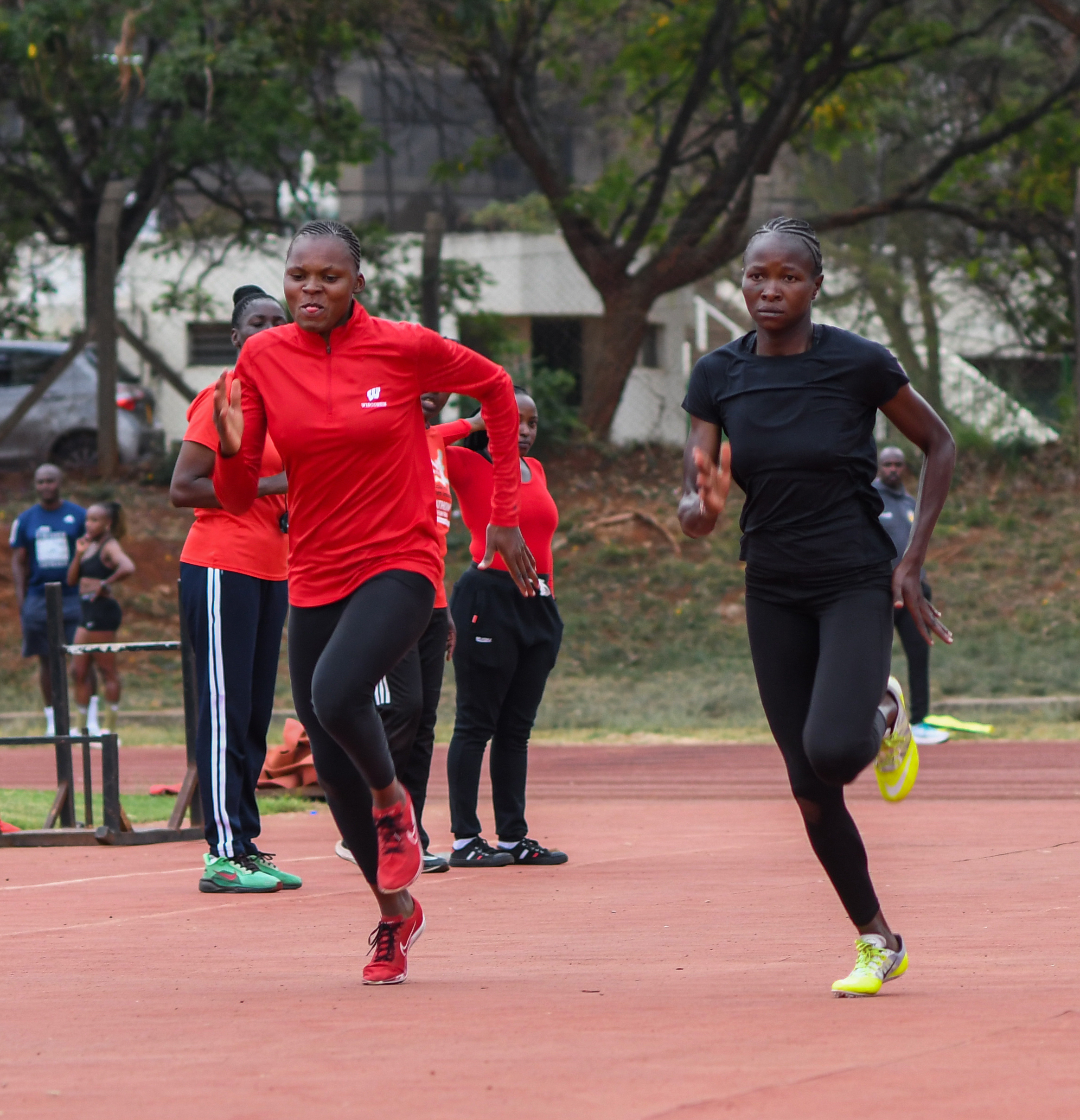
 Team Kenya Deaflympics athletes train at Moi Stadium, Kasarani/HANDOUT
Kenya’s Deaflympics dream has suffered a thunderous blow as seven teams were dropped from the Tokyo 2025 squad in what insiders have called a “budget bloodbath.”
It’s a national embarrassment that cuts deeper than numbers or medals. It strikes at the heart of inclusion, dignity and justice for athletes who already live and train in silence.
The decision to drop women’s volleyball, women’s football, cycling, tennis, table tennis, badminton and bowling exposes the cracks in Kenya’s sports governance.
Officials insist the move was a financial necessity — but that reasoning feels hollow when the same government routinely finds funds for bloated delegations, endless conferences and foreign junkets.
The issue is not the budget; it is the misplaced priorities that continue to suffocate disability sports. For the affected athletes, this is more than a policy setback. It is personal.
They have trained in obscurity, without media attention, sponsorships or even proper equipment — and yet, they have carried Kenya’s flag with quiet pride. To be told now that they are “too expensive” to represent their country is an insult wrapped in bureaucracy.
This is not the first time deaf athletes have been sidelined. The women’s football team was dropped after Brazil’s Deaflympics for so-called poor performance, only to be denied a chance to redeem themselves in Tokyo.
The bowling team, one of the few disciplines showing real promise, has been erased under the pretext of “lack of regional competition.”
What these decisions reveal is a pattern of institutional neglect — one that treats deaf sports as expendable, rather than essential.
Kenya’s Deaflympians are not asking for luxury. They are asking for respect, opportunity and equity. They are asking to be seen and heard in a system that rarely acknowledges their existence.
As a nation, we cannot claim to champion inclusivity while abandoning those who most embody resilience. The government must act — and act decisively.
The Ministry of Sports and the National Deaf Sports Committee must release a detailed financial breakdown showing how allocations are made and why certain teams were cut off.
Transparency is the first step toward accountability. Kenyans deserve to know how their taxes are spent — and deaf athletes deserve to know why their dreams were denied.
Deaf sports should not depend solely on national funding. The private sector must step up, too. Corporate sponsors who flood mainstream sports with money — from football to motorsport — should adopt Deaflympics teams under their CSR programmes.
Counties should co-fund local deaf athletes, transforming the Deaflympics into a shared national effort rather than a Nairobi-centred project. Kenya urgently needs a ring-fenced Disability Sports Fund, protected from political interference.
It should guarantee consistent annual funding for deaf and differently-abled athletes — not just in competition years, but for training, equipment, and welfare.
To sustain talent, Kenya must invest in deaf-friendly sports academies, regional leagues and local competitions. Building a vibrant pipeline of athletes will improve competitiveness, raise awareness and normalise inclusion.
The deaf community must have representation in sports policy-making bodies. Decisions about their future should not be made without them. Listening to their lived experiences will ensure that reforms address real barriers rather than bureaucratic assumptions.
Kenya will still send 177 athletes to Tokyo — but the absence of seven teams will cast a long shadow.