
 Dr. Ndasi is Portfolio Lead, Africa Society for Laboratory Medicine (ASLM)
When Ebola cases are reported in parts of the Democratic Republic of the Congo or neighbouring countries like Uganda, and concerns rise across borders into South Sudan, fear spreads quickly. Communities worry about transmission.
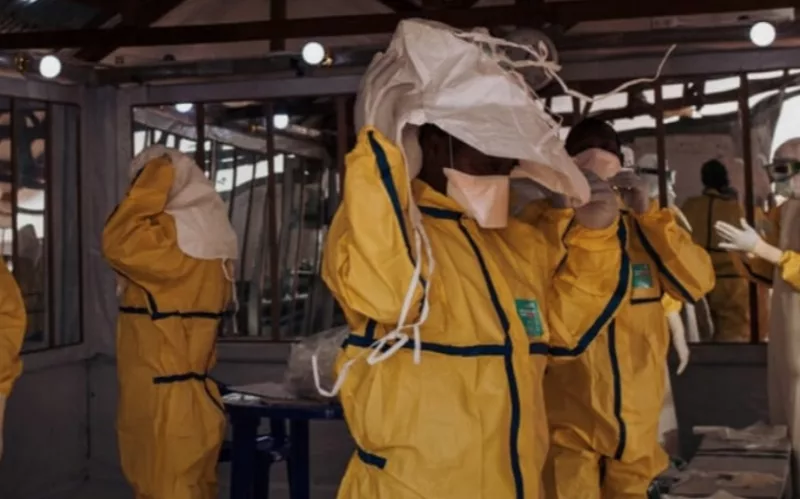
Health workers prepare for emergencies. Governments activate response systems. But one question becomes urgent from the very beginning: how fast can we detect the disease?
The answer depends on diagnostics.
Without testing, outbreaks move silently. Patients are treated based on suspicion rather than confirmation. Healthcare workers are placed at risk. Communities lose trust. Valuable days are lost while diseases spread across villages, towns, and borders.
Africa has learned this lesson many times through Ebola, COVID-19, mpox, cholera, Marburg, and other infectious disease threats.
Yet these outbreaks continue to expose a major weakness across many countries: diagnostic systems often remain fragmented, underfunded, and disconnected from broader health security systems.
This is why the conversation on “Integrated Diagnostics for Health Security and One Health Preparedness” at the upcoming ASLM 2026 Conference could not be more timely.
Africa does not face health threats in isolation. Human health, animal health, and environmental health are deeply connected.
Diseases such as Ebola, anthrax, Rift Valley fever, avian influenza, and even antimicrobial resistance often emerge where these systems interact. A virus moving through wildlife can eventually threaten entire populations.
Unsafe farming practices, climate change, deforestation, rapid urbanization, and increased movement of people and animals are all increasing the risk of outbreaks across the continent.
This is why a One Health approach matters.
One Health recognises that protecting people also means monitoring animal health, environmental risks, food systems, and cross-border disease movement. But One Health preparedness cannot work without integrated diagnostics.
Today, many African countries still operate separate laboratory systems for human health, veterinary health, outbreak response, tuberculosis, HIV, malaria, and antimicrobial resistance surveillance.
Different ministries may collect different data using different platforms that cannot communicate with one another.
Samples may move slowly between facilities. Some laboratories remain concentrated in urban centers while rural communities struggle to access even basic testing services.
The result is delayed detection and slower response during emergencies.
In some rural areas, a patient suspected of Ebola or another dangerous disease may wait days before samples reach a reference laboratory. During that time, exposure continues. In livestock communities, diseases affecting animals may go unreported because veterinary diagnostic systems are weak or poorly connected to public health surveillance. This weak coordination creates blind spots that place entire countries at risk.
At the same time, Africa faces a growing crisis of antimicrobial resistance (AMR). Across hospitals and communities, antibiotics are often used without proper laboratory confirmation because diagnostic services are unavailable or unaffordable.
Patients receive treatment based on symptoms instead of evidence. Over time, infections become harder to treat, medicines become less effective, and healthcare costs rise.
AMR is already becoming a silent pandemic.
Integrated diagnostics can help address this challenge by strengthening testing capacity across human and animal health systems, improving surveillance, and supporting responsible use of medicines.
But integration is not only about machines and technology. It is also about people and systems working together.
Africa continues to face serious shortages of trained laboratory professionals, epidemiologists, biosafety specialists, and veterinary diagnosticians.
Many health workers operate under immense pressure with limited resources. Some laboratories struggle with unreliable electricity, weak internet connectivity, shortages of reagents, and inadequate biosafety infrastructure.
Preparedness cannot exist without investment in the workforce.
Governments and partners must prioritize training, retention, and protection of laboratory professionals across both human and animal health sectors. Strong diagnostic systems require skilled people who can detect threats quickly and safely.
The good news is that Africa has already shown what is possible.
During COVID-19, countries rapidly expanded molecular testing capacity and strengthened regional collaboration.
Institutions such as the African Society for Laboratory Medicine and Africa Centres for Disease Control and Prevention helped support laboratory strengthening, quality systems, workforce development, and outbreak preparedness across the continent.
Now the next step is sustainability and integration.
Africa needs connected diagnostic networks that bring together human health, animal health, environmental surveillance, and emergency response systems.
Data must move quickly across sectors. Laboratories must support both routine healthcare and outbreak preparedness. Diagnostic services must also become more accessible to ordinary people, especially those living in remote and underserved communities.
Health security begins long before an outbreak becomes international news.
It begins in local clinics, veterinary posts, border points, district laboratories, and community surveillance systems. It begins with the ability to detect threats early and respond together.
One outbreak should not require separate systems and disconnected responses.
Africa’s future preparedness depends on building integrated diagnostics that protect people, animals, economies, and communities together.
Dr. Ndasi is Portfolio Lead, Africa Society for Laboratory Medicine (ASLM)

![[PHOTOS] Elderly brave cold to vote in Ol Kalou](https://cdn.radioafrica.digital/image/2026/07/d2345b9e-578f-45ff-9bb0-d7819671c165.webp)
![[PHOTOS] Ol Kalou residents turn out in large numbers to vote](https://cdn.radioafrica.digital/image/2026/07/fe42d51c-7f79-466e-94e8-59561f77bbe7.webp)