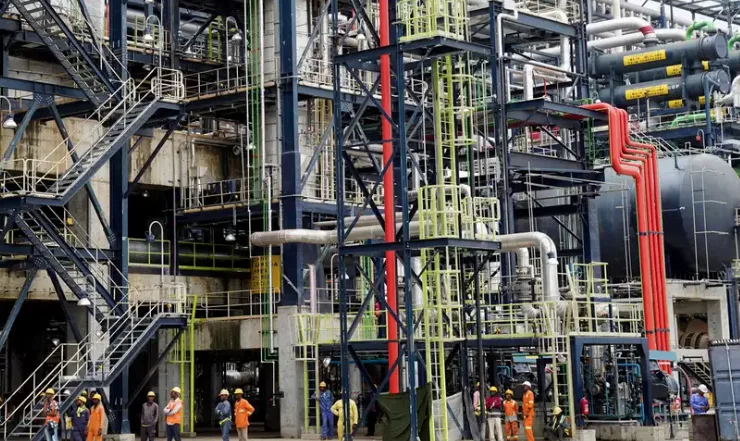
As a net oil importer, Kenya is highly vulnerable to global energy disruptions.
by Hillary Bett
Audio By Vocalize
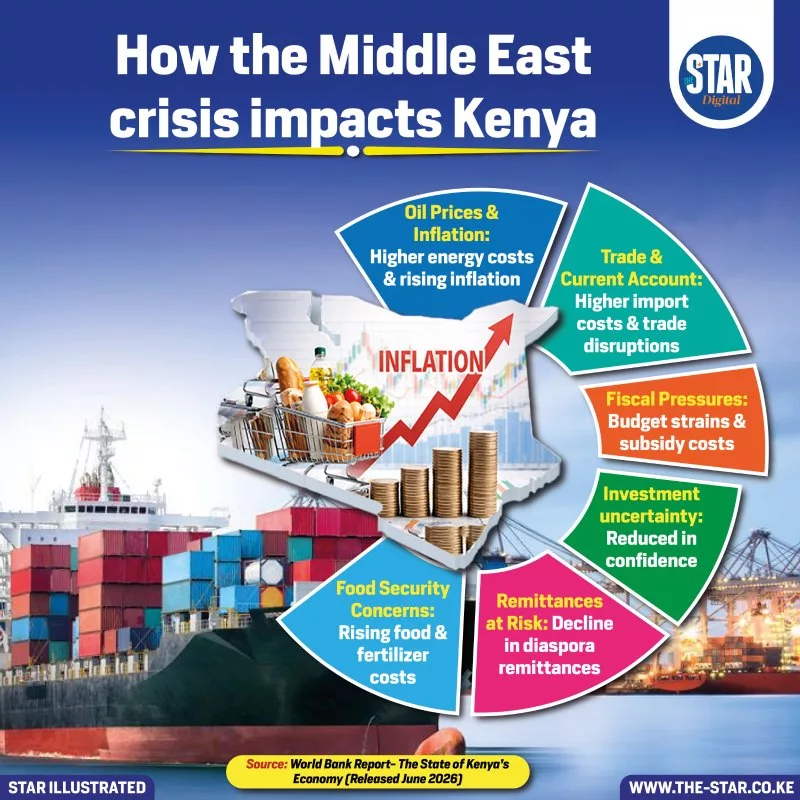
The escalating crisis in the Middle East is casting a long shadow over Kenya’s macroeconomic performance, triggering domestic financial strains through multiple transmission channels, according to the June 2026 World Bank report on the State of Kenya's Economy.
As a net oil importer, Kenya is highly vulnerable to global energy disruptions, which are driving up oil prices and fueling domestic inflation.
These higher energy costs have broad pass-through effects, raising transport and production expenses. Consequently, food security concerns are mounting as the country faces rising prices for food and essential agricultural inputs like fertiliser.
The shockwaves are also hitting trade and external accounts. Major shipping route disruptions and higher import costs are putting significant pressure on the country's balance of payments. This import-heavy environment, combined with rising subsidy costs, is generating severe fiscal pressures, leaving the government to grapple with mounting budget strains.
The economic fallout extends beyond trade. Financial flows are increasingly compromised, with diaspora remittances—a crucial source of foreign exchange—at risk of decline.
At the same time, heightened global uncertainty is eroding investor confidence, leading to severe investment uncertainty and a reduction in private sector confidence.
These compounding challenges threaten to weaken overall GDP growth and disrupt domestic economic stability.