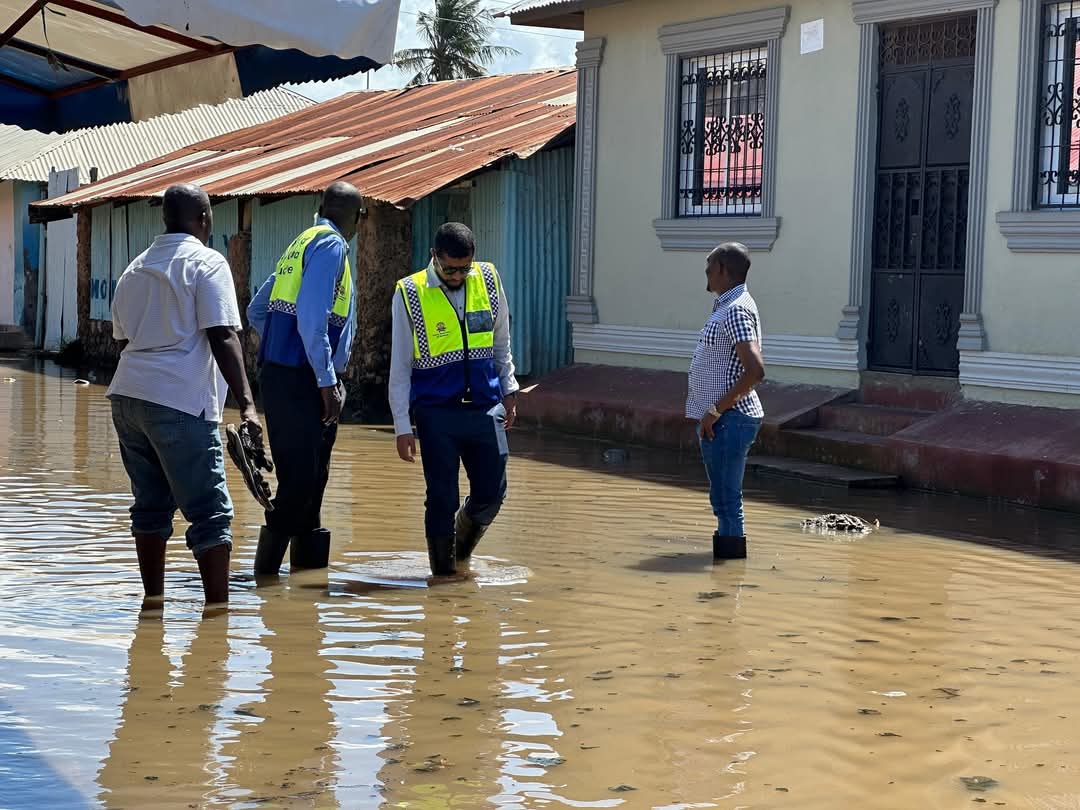


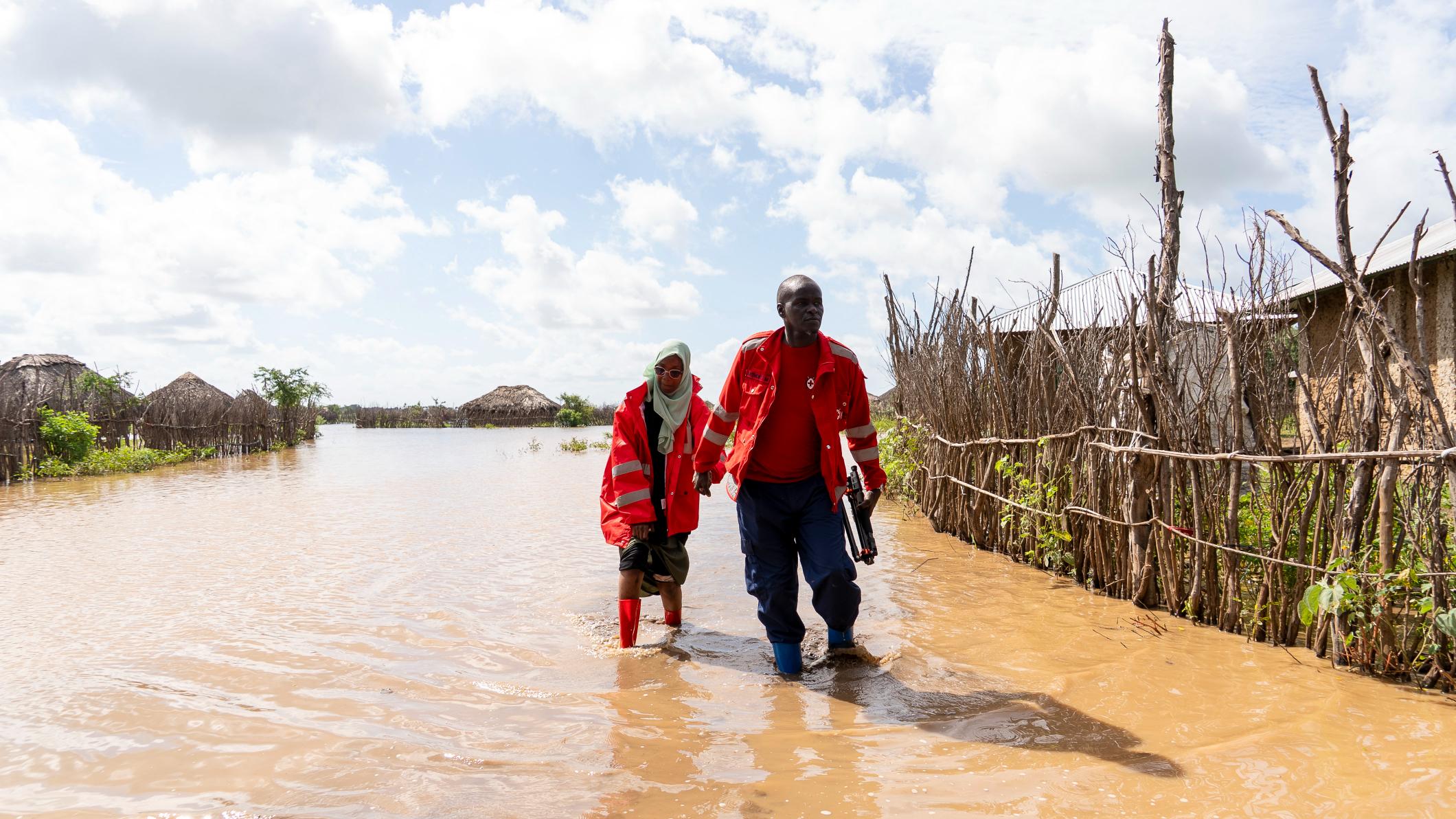
When floods submerged thousands of homes across Kenya’s river basins in April 2024, destroying roads, disrupting livelihoods and killing scores of people, the response was, as it so often has been, improvised. National agencies mobilised. County officials scrambled for resources. Coordination lagged behind the rising water.
It is precisely that cycle — disaster strikes, institutions react, the emergency fades and nothing structurally changes — that a sweeping new piece of legislation now seeks to break.
Kenya has enacted the National Disaster Risk Management Act, 2026, the country’s first comprehensive legal framework governing how the state prepares for, responds to and recovers from disasters.
Signed into law on May 29 and taking effect on June 16, the legislation marks a decisive departure from a system that critics and practitioners alike have long described as reactive, fragmented and under-resourced.
At its centre is the establishment of the National Disaster Risk Management Authority, a permanent body headquartered in Nairobi that will serve as the country’s principal institution for coordinating disaster risk management. The authority will advise both levels of government, develop national policies and strategies, coordinate early warning systems, commission hazard and vulnerability assessments and organise annual national disaster preparedness drills.
The legislation’s passage comes as Kenya confronts a mounting disaster burden. Floods have displaced thousands of families annually, droughts have repeatedly threatened food security across the Arid and Semi-Arid Lands, fires at schools and informal settlements have claimed lives and health outbreaks have strained the country’s healthcare infrastructure. Climate scientists warn that the frequency and intensity of extreme weather events will continue to rise.
Until now, disaster management has been guided largely by policies and administrative directives, arrangements that, while functional in some respects, lacked the legal authority, institutional permanence and funding certainty required for systematic risk reduction. The new Act provides all three.
RISK REDUCTION
The law’s most significant conceptual shift lies in its emphasis on risk management rather than emergency response alone. Policymakers and international development partners have for years argued that the costs of preparedness are a fraction of the costs of disaster recovery. The Act operationalises that argument.
It mandates a continuous and integrated approach to disaster risk management: identifying vulnerable areas, issuing early warnings, relocating populations from danger zones, reducing underlying risks, protecting vulnerable populations and sustaining long-term recovery efforts. The framework aligns Kenya with the global Sendai Framework for Disaster Risk Reduction, which has set international benchmarks for prevention and preparedness since 2015.
The legislation also requires the development of a national multi-hazard early warning system — a critical tool that experts say could save hundreds of lives annually if implemented effectively. For communities living on flood plains, in drought-prone arid regions, or along landslide-susceptible slopes, timely warnings could mean the difference between evacuation and catastrophe.
Crucially, the Act devolves meaningful responsibility to county governments, the level of government closest to where disasters actually unfold. Each of Kenya’s 47 counties will establish a County Disaster Risk Management Committee, co-chaired by the governor and the county commissioner. Membership will be drawn from security officials, county executive members, the Kenya Red Cross Society, the private sector and civil society.
Counties will also be required to establish County Disaster Risk Management Centres — physical operational command centres staffed by qualified professionals. These centres will coordinate local risk assessments, public awareness campaigns, training exercises and emergency operations. Volunteer units may be attached to the centres to strengthen community-level response capacity.
The structure reflects an understanding that national institutions alone cannot manage disasters effectively in a country as geographically and climatically diverse as Kenya. It also provides a clearer legal basis for the coordination between national and county governments that has historically been a source of tension and delay during emergencies.
DATA, TECHNOLOGY USE
The Act introduces another significant innovation: a mandatory national electronic disaster information system. The database will catalogue hazards, vulnerable communities, emergency response resources, hospital locations, emergency shelters, humanitarian organisations, disaster experts and early warning infrastructure. It will also track recurring disaster patterns, loss data, vulnerable populations and indigenous risk knowledge.
Proponents argue such a system could transform emergency operations, allowing responders to locate shelter capacity in real time, identify available firefighting equipment, map vulnerable populations and coordinate interventions far more efficiently than current arrangements allow.
For the most severe emergencies, the President may declare a National State of Disaster through a Gazette Notice, a measure that triggers extraordinary powers, including the deployment of personnel, release of government resources, evacuation of affected populations, regulation of movement in disaster zones, emergency procurement and mobilisation of essential services. The legislation thus provides both the legal mechanism and the guardrails for swift executive action during major emergencies.
The Act also introduces a classification framework distinguishing between county disasters — those manageable within a single county’s resources — and national disasters, which affect multiple counties or overwhelm local capacity. The distinction clarifies responsibilities, triggers the appropriate level of response and provides a legal framework for inter-governmental resource sharing.
The legislation specifically names women, children, persons with disabilities and older persons as populations requiring special consideration in disaster management planning. County disaster management structures will be required to incorporate gender equality, youth representation and inclusion of marginalised groups, an acknowledgement that disasters rarely affect all populations equally and that emergency systems must be designed with that reality in mind.
FUNDING AND IMPLEMENTATION
The Act provides for financing through parliamentary allocations, revenue generated by the Authority, donations and grants. It allows for the establishment of a dedicated Disaster Risk Management Fund, and permits duty and tax exemptions on imported emergency response materials, a provision that could significantly accelerate the delivery of humanitarian supplies during large-scale emergencies.
Whether those
provisions translate into adequate and predictable funding will determine much
of the law’s impact.
Kenya’s statute books contain no shortage of well-designed frameworks that have foundered for lack of budget support. Disaster management advocates will be watching closely to see whether the legislature matches the ambition of the legislation with corresponding appropriations.
The National Disaster Risk Management Act arrives as climate pressures intensify, urban populations grow and new technological and environmental risks compound the country’s existing vulnerabilities. Its architects describe it not merely as an administrative reorganisation but as a fundamental reorientation of how the Kenyan state thinks about risk.
That reorientation will not happen automatically. Effective implementation will require adequate funding, strong collaboration between national and county governments, investment in technical capacity and genuine community engagement. It will also require political will to sustain investment in preparedness during the long periods when no disaster is making headlines.
But the framework is now in place. For the first time, Kenya has a legal architecture for managing disaster risk rather than simply managing disasters. Whether the country seizes the opportunity it represents will be measured not in legislation but in lives.