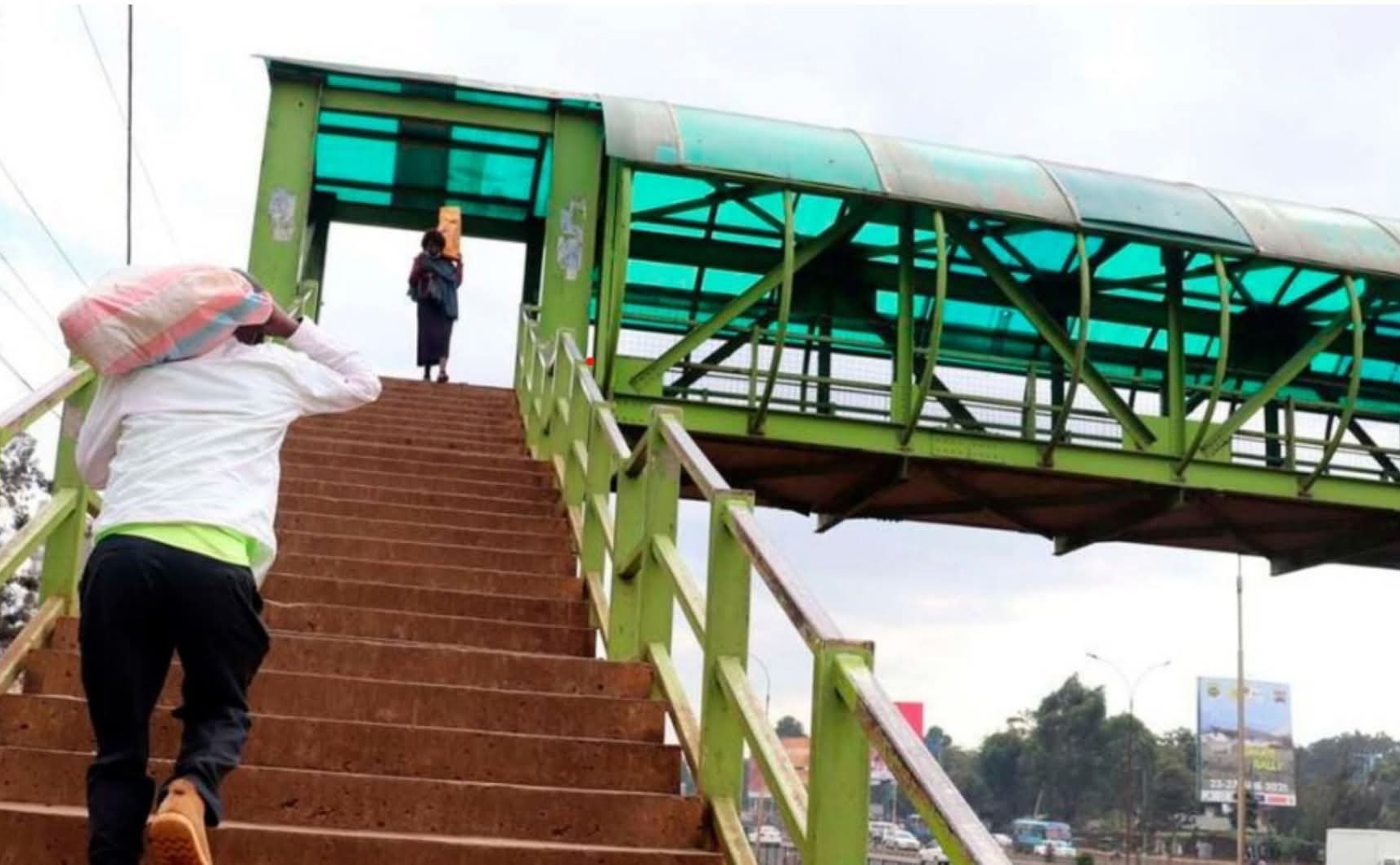
KeNHA to close section of Waiyaki Way for 3 months
The authority said the closure will take effect from June 25, 2026.
12d agoCHRISTABEL ADHIAMBONews
Mariakani Cluster in Mombasa County Operations Manager George Ngugi said the partnership has played a key role in raising compliance levels.


Audio By Vocalize
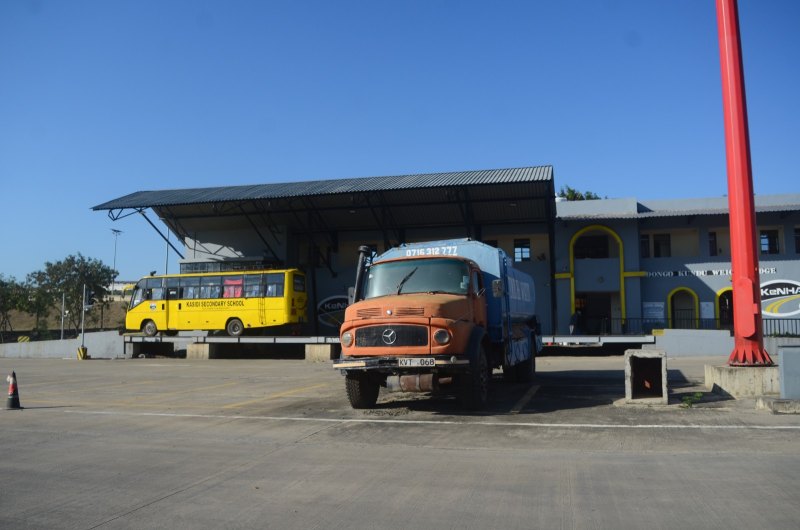
Weighbridge operators are working closely with the Judiciary, transporters and manufacturers to improve compliance with axle-load regulations as Kenya steps up efforts to protect its road network from damage caused by overloaded trucks.
The collaborative approach, spearheaded by the Kenya National Highways Authority (KeNHA), brings together the Judiciary, the Kenya Transporters Association (KTA), the Kenya Association of Manufacturers (KAM) and other industry stakeholders to encourage voluntary compliance while strengthening enforcement.
Mariakani Cluster in Mombasa County Operations Manager George Ngugi said the partnership has played a key role in raising compliance levels at one of the country's busiest weighbridge stations.
"We have employed a whole-of-industry approach to ensure voluntary compliance. KeNHA has firmly instructed us to ensure smooth operations by working closely with industry players, and we have been doing that religiously," Ngugi said.
The Mariakani Weighbridge, which handles more than 8,000 heavy commercial trucks daily, currently records an axle-load compliance rate of about 98.5 per cent.
Ngugi said continuous engagement with transporters and other stakeholders has helped reduce disputes and improve adherence to axle-load regulations.
The Mariakani Cluster under KeNHA oversees both static weighbridges and mobile enforcement units covering approximately 1,466 kilometres of highways across Mombasa and Kilifi counties.
Beyond stakeholder engagement, authorities have embraced technology to make enforcement more transparent and efficient.
Every truck passing through Mariakani first drives over a high-speed Weigh-in-Motion (WIM) system, which automatically measures axle loads while the vehicle is still moving before directing suspected overloaded trucks to the static weighbridge for verification.
"The first point of weighing is the high-speed motion before you get to the static. Before you get to the static, you have already been weighed," Ngugi said.
The weighbridge system has also been integrated with the government's eCitizen platform, allowing overload penalties to be generated automatically without manual intervention.
According to Ngugi, the digital process has significantly reduced opportunities for corruption by ensuring all enforcement records are captured electronically and can be audited.
"The moment we detect an overload, we create an invoice through eCitizen. All the information remains in the system," he said.
In addition, all weighbridges are linked to a centralised management system at KeNHA headquarters in Nairobi, enabling real-time monitoring of vehicle data and enforcement actions.
"All weighbridges are integrated with management systems. The system sits at KeNHA headquarters, so there is no way to bypass all that," Ngugi added.
The combination of stakeholder collaboration and digital enforcement is helping safeguard Kenya's highways by reducing overloading, one of the leading causes of premature road deterioration and costly maintenance.
KeNHA expects the partnership with the Judiciary, transporters and manufacturers to further improve compliance levels while ensuring enforcement remains transparent, efficient and fair.
The authority said the closure will take effect from June 25, 2026.

![[PHOTOS] The new Ngong –Naivasha Road viaduct](https://cdn.radioafrica.digital/image/2026/06/64d4f771-4432-4aee-ba3c-2f304c4436ec.jpg)