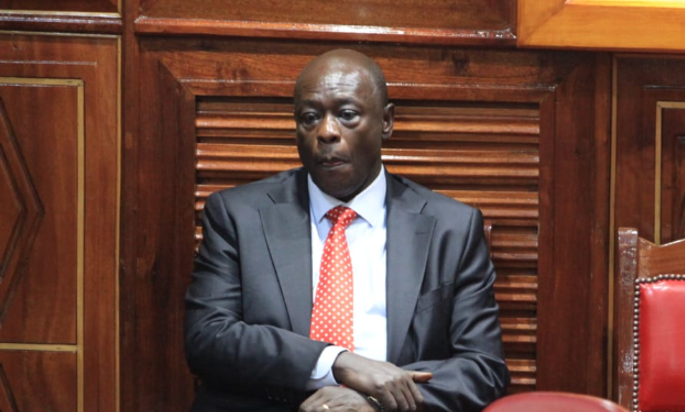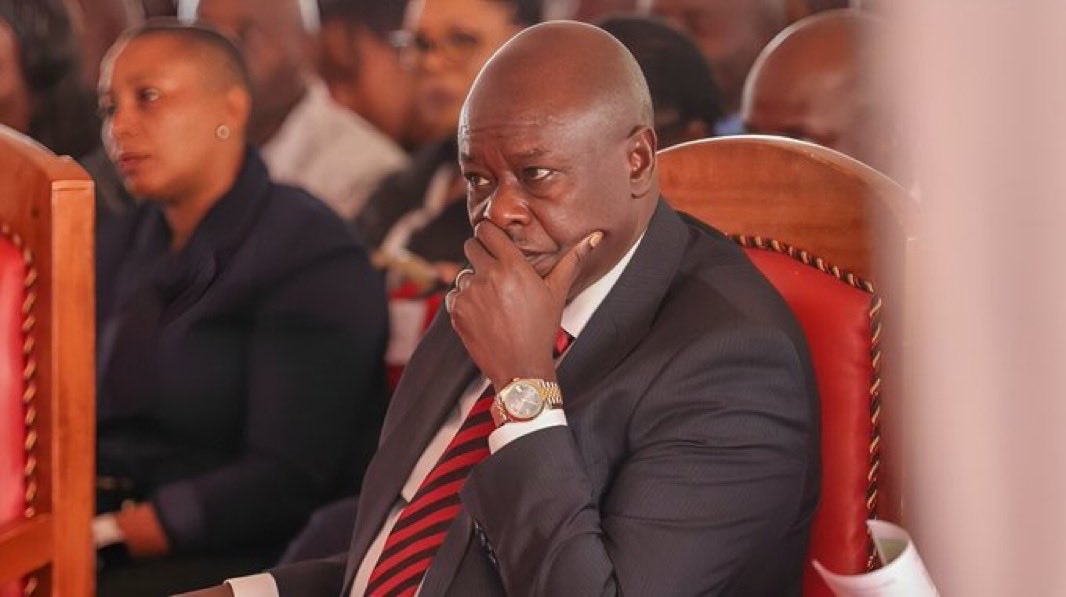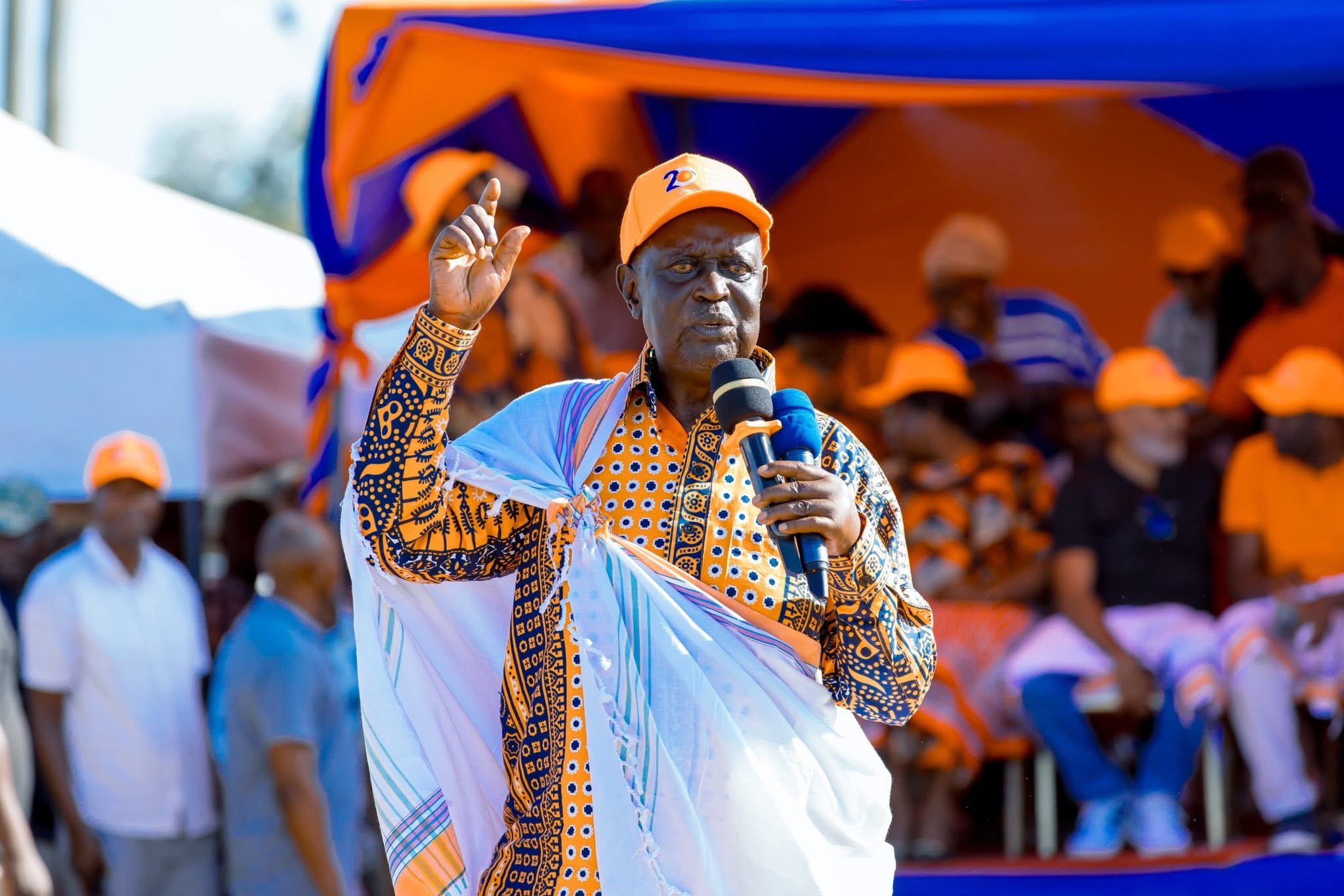


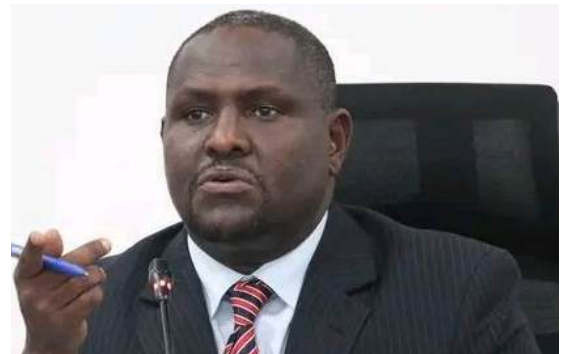
 Narok West MP Gabriel Tongoyo, who chairs the National Assembly
Committee on Administration and Internal Security /HANDOUT
Narok West MP Gabriel Tongoyo, who chairs the National Assembly
Committee on Administration and Internal Security /HANDOUT
Members of the public have called for tougher penalties against individuals and organisations that violate licensing requirements in the importation of teargas and explosives ingredients into the country.
Stakeholders appearing before National Assembly Committee on Administration and Internal Security said sanctions
proposed in the Strategic Goods Control Bill, 2026 are too lenient to deter
offenders.
The concerns emerged during public participation forums held
in Mombasa and Kisumu by the Committee chaired by Narok West MP Gabriel Tongoyo.
Participants urged Parliament to strengthen the punitive measures
in the Bill to prevent the proliferation of nuclear, chemical and biological
weapons.
“The fines and penalties currently provided in the Bill are
not sufficient. For cartels and serial offenders, they are insignificant,” said
Salim Athuman, a resident of Majengo in Mvita constituency.
“While ordinary citizens may struggle to raise such amounts,
wealthy barons involved in imports worth billions can easily afford them.”
Athuman called for stiffer sanctions, including life
imprisonment and, in extreme cases, the death penalty, for offenders found
guilty of violating the law.
Saku MP Ali Raso, the committee's vice-chairperson, who led
the Mombasa public participation exercise, expressed support for the proposed
legislation, saying it has the potential to strengthen national security,
improve oversight of sensitive goods and enhance government revenue.
“While the objective is to strengthen oversight and protect
national interests, we must ensure the law does not create unnecessary barriers
to trade or favour a few players in the market,” he said.
“We must provide safeguards to ensure the Bill does not
create monopolies within the trade sector.”
“We want to ensure that all views submitted by members of
the public are reflected in the Bill. The law should strengthen security
without slowing trade or negatively affecting legitimate businesses.”
In the Bill sponsored by Majority leader Kimani Ichung’wah,
the state is seeking to place stringent controls on the trade, import and
export of teargas canisters, riot-control robots, chemical precursors and
certain fertilisers.
The Bill is part of efforts to prevent Kenya from
being used as a transit point for weapons of mass destruction (WMDs).
The goods include military equipment, dual-use technologies,
software and materials that could potentially be diverted for nuclear, chemical
or biological weapons programmes.
If enacted, the law would require all individuals and
entities dealing in such goods to register with a newly established Strategic
Goods Control Committee.
They would also be required to obtain licences for specific
transactions and submit to inspections and end-use monitoring.
In the proposed legislation, violators could face
fines of up to Sh50 million, imprisonment for up to 10 years, or both.
Among the goods earmarked for regulation are riot-control
agents such as teargas and other crowd-dispersal chemicals, as well as robots
that could be deployed in military or security operations.
The list also includes energetic materials such as
explosives, propellants and pyrotechnics commonly used in ammunition and
missile systems.
Chemical precursors that can be used in the manufacture of
nerve agents, including Sarin and VX, are also captured, alongside biological
agents and toxins such as anthrax, Ebola virus and ricin.
Advanced technologies, including high-performance computers,
lasers, navigation systems and specialised software, also fall under the
proposed controls.
The Bill also seeks to amend the Fertilisers and
Animal Foodstuffs Act to put certain fertilisers under the oversight of the
new regulatory regime.
The government has raised concerns over their potential
misuse in the manufacture of explosives.
According to the Bill's memorandum, the objective is to
prevent the proliferation of nuclear, chemical and biological weapons, as well
as the means used to deliver them.
The proposed Strategic Goods Control Committee will be
chaired by the Principal Secretary for Internal Security.
Membership will include senior officials drawn from the
ministries responsible for Defence, Health, Trade and ICT, the National
Intelligence Service, KRA and the private sector.
The committee will be mandated to maintain the National
Control List, register traders dealing in strategic goods and issue, suspend or
revoke licences.
Trading in strategic goods without registration or a licence
would attract a fine of up to Sh20 million or a jail term of up to 10 years.
Providing false information or concealing material facts
could lead to penalties of up to Sh50 million or 10 years imprisonment, and
Sh5 million for obstructing inspectors.
Individuals found using strategic goods for
terrorism-related purposes would be dealt with under anti-terrorism laws, with
the possibility of life imprisonment.
Seized goods may be forfeited to the State and convicted offenders will bear the costs incurred by the government in storing
and managing confiscated strategic goods.
MPs have questioned the decision to create a committee
rather than a fully-fledged regulatory authority, warning that the proposed
structure could end up costly, bureaucratic and inefficient.
Kenya Airways has also expressed concern over the proposed
controls, arguing that applying the same requirements to internationally
certified civil aircraft parts would create an additional layer of regulation
and potentially contribute to flight delays and cancellations.
However, the Bill has received backing from the United
States government.
A senior US official told lawmakers that strategic trade
controls help facilitate commerce between trusted trading partners and could
strengthen Kenya's position as a reliable hub within global high-technology
supply chains.
US Embassy’s Regional Advisor, Sarah Welsh, said the Bill
was vital for aligning Kenya with international security standards and
attracting high-tech investment.
INSTANT ANALYSIS
The proposed law also seeks to amend eight existing statutes, including the Firearms Act, Explosives Act, Nuclear Regulatory Act, Pharmacy and Poisons Act, Mining Act, Fertilisers and Animal Foodstuffs Act and the Pest Control Products Act.


![[PHOTOS] Ruto pushes for stronger Kenya-EU economic ties in Brussels](https://cdn.radioafrica.digital/image/2026/06/3aebc395-285b-441c-8aa4-33cb538f8d44.jpg)