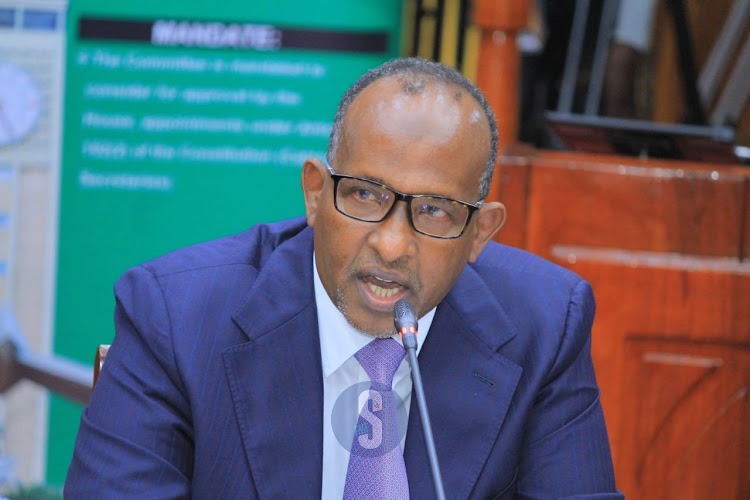
 Health CS Aden Duale/FILE
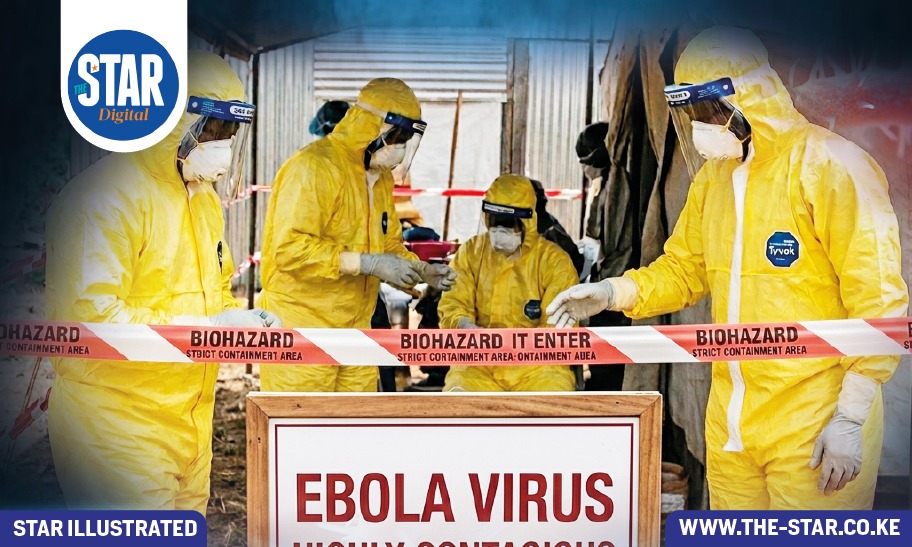
Kenya has screened more than 80,000 travellers for Ebola and tested dozens of suspected cases as health authorities intensify surveillance and preparedness measures amid outbreaks in neighbouring Uganda and the Democratic Republic of Congo (DRC).
Health Cabinet Secretary Aden Duale said Friday the country remains free of Ebola cases but warned that Kenya faces an elevated risk of disease importation due to its close transport, trade and population links with affected countries.
"Kenya has not reported any confirmed case of Ebola Virus Disease. The country continues to maintain and strengthen preparedness measures in response to the ongoing EVD outbreak in the region," Duale said in a statement.
The latest figures show that more than 80,000 travellers have been screened at various points of entry across the country since enhanced surveillance measures were activated.
Within the last 24 hours alone, 3,969 travellers were screened.
The Ministry of Health has also tested 56 samples collected from individuals flagged through surveillance systems due to recent travel history to Uganda and the DRC.
All the samples returned negative results.
The developments come as Kenya strengthens its defences against the spread of the Bundibugyo strain of Ebola, which has been reported in parts of Uganda and the DRC.
In response to the regional threat, the government has activated the National Incident Management System and enhanced surveillance, screening and rapid response measures across the country.
"Given Kenya's close regional connectivity through trade, transport and population movement, the country remains at an elevated risk of disease importation," Duale said.
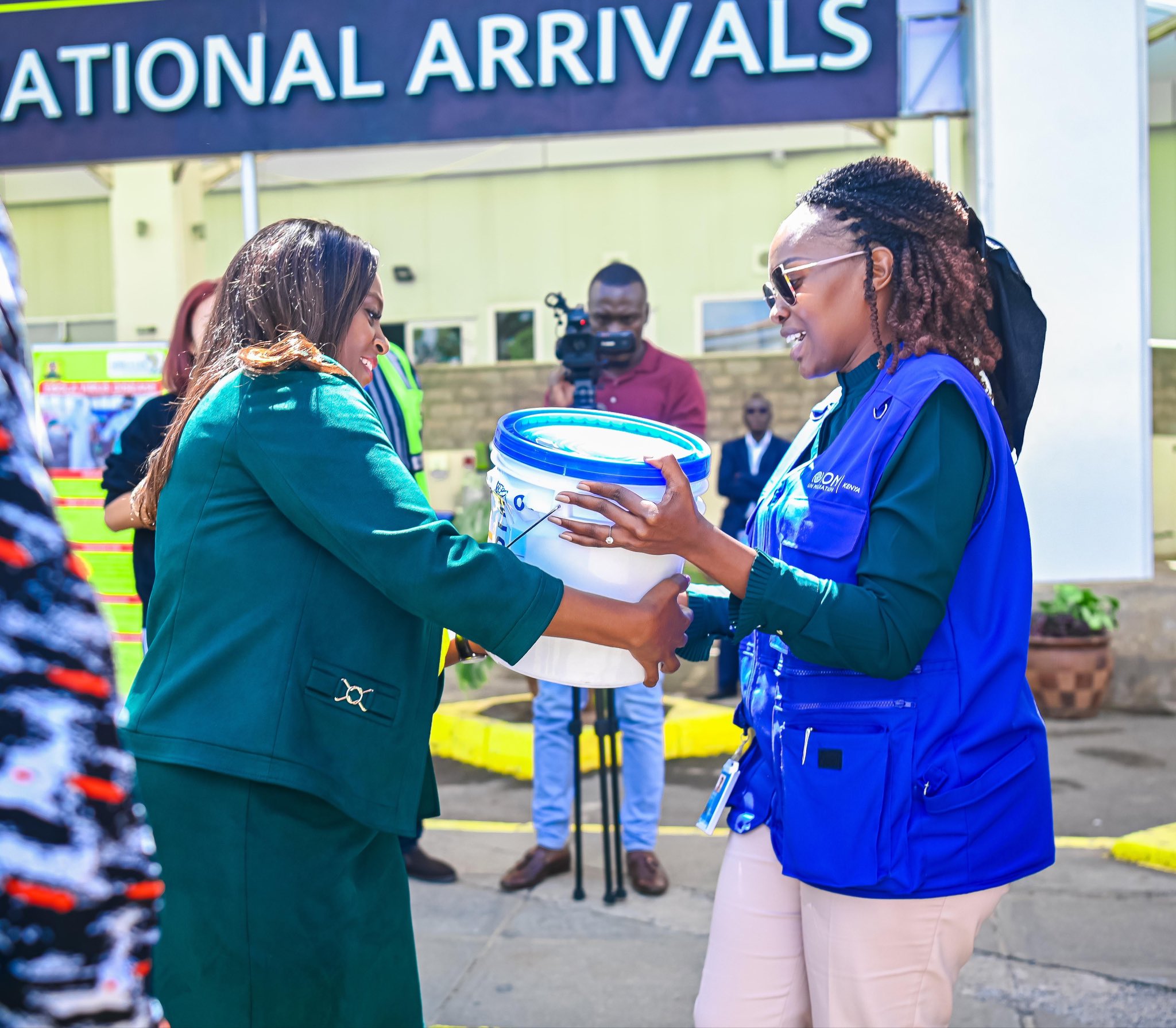
Health officials have intensified monitoring at airports, border posts and other entry points in line with International Health Regulations and World Health Organization guidelines.
The ministry has designated four laboratories to conduct Ebola testing: the National Public Health Laboratory, KEMRI Nairobi, KEMRI Kisumu and a mobile laboratory stationed at the Busia One-Stop Border Post.
Authorities say the move is intended to ensure rapid testing and response in the event of a suspected case.
The government has also identified 25 counties considered to be at higher risk due to their geographical location and connectivity networks.
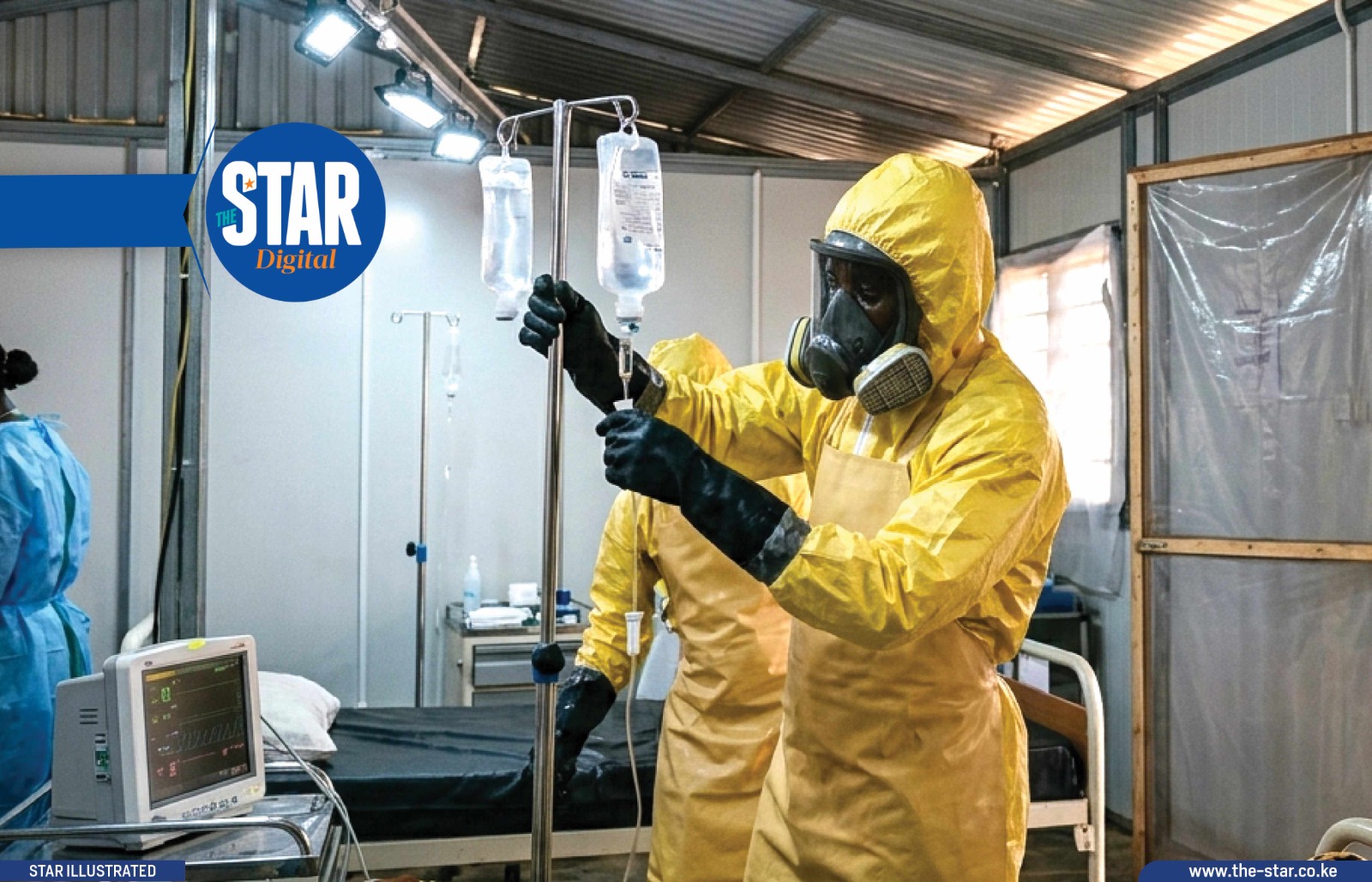
To bolster preparedness, 347 rapid response personnel have been placed on standby while more than 1,759 healthcare workers at national and county levels have undergone training on Ebola detection, prevention and response.
Simulation exercises are currently underway in high-risk counties to test the country's readiness and improve response times should an outbreak occur.
The ministry is also conducting public awareness campaigns targeting border communities, transport operators, healthcare workers and other vulnerable groups.
Duale urged members of the public to remain vigilant and seek immediate medical attention if they develop symptoms associated with Ebola, particularly after recent travel to affected areas.
Symptoms include fever, chills, headache, muscle pain, joint pain, nausea, vomiting, diarrhoea, fatigue, skin rashes and signs of impaired kidney or liver function.
The ministry has further advised the public to maintain proper hygiene, avoid contact with bodily fluids of infected persons and refrain from handling sick or dead animals.
"Members of the public are advised to remain calm but vigilant," Duale said.
He also cautioned against the spread of misinformation, urging Kenyans to rely only on official information from the Ministry of Health, the Kenya National Public Health Institute, the World Health Organization and Africa CDC.
The heightened preparedness comes as countries across East Africa strengthen surveillance systems amid concerns that increased cross-border movement could facilitate the spread of the disease.
Ebola is a severe and often fatal illness that spreads through direct contact with the blood, secretions or other bodily fluids of infected people or animals. Previous outbreaks have demonstrated the importance of early detection, rapid isolation and effective contact tracing in preventing widespread transmission.
Duale said Kenya remains committed to protecting public health while working closely with county governments, regional institutions and international partners to strengthen health security.
"As we continue to strengthen preparedness and resilience, our approach will remain guided by science, collaboration, national interest and the shared objective of protecting populations from emerging public health threats," he said.
With no confirmed Ebola cases reported so far, health officials say the focus remains on maintaining vigilance and ensuring the country is prepared to respond swiftly should the disease cross its borders.