
 Joy Kirimi, AAR Healthcare head of emergency rescue services and training at AAR Healthcare /HANDOUT
Kenya and specifically Nairobi has experienced a number of tragedies, from fires to collapsed buildings. What are some of the most common injuries and medical emergencies? How significant is the golden hour during emergencies?
This writer spoke to Joy Kirimi, head of emergency rescue services and training at AAR Healthcare and this is what she had to say.
Q. Recent
years have seen Kenyans affected by building collapses, floods, fires, road
crashes and other disasters. From a rescue and emergency healthcare
perspective, what are the most common injuries and medical emergencies you
encounter during such incidents?
Kirimi: From a rescue and emergency healthcare perspective, the
injuries we see depend on the nature of the incident, but there are common
patterns. In road crashes and building collapses, we commonly encounter
fractures, head injuries, spinal injuries, chest and abdominal trauma, crush
injuries, severe bleeding and shock. In fires, we see burns, smoke inhalation,
airway compromise and carbon monoxide-related complications. During floods, the
emergencies range from drowning and near-drowning, hypothermia, injuries from
debris, infections, dehydration and worsening of pre-existing conditions such
as asthma, diabetes, hypertension and pregnancy-related complications.
What is important to understand is that disasters do not only create new injuries; they also interrupt access to routine healthcare. A patient who needs dialysis, oxygen, insulin, emergency surgery or maternity care may become critically ill because roads are cut off, facilities are overwhelmed, or communication systems fail.
Q: How significant is the “golden hour” in determining whether a patient survives or recovers well after a serious injury? What are some of the consequences when emergency care is delayed?
Kirimi: The golden hour remains very significant, especially in trauma. It refers to the critical early period after a serious injury when timely assessment, bleeding control, airway management, oxygen support, immobilization and rapid transfer to the right facility can determine survival and long-term recovery.
It should not be understood as a strict 60-minute rule, but rather as a principle of urgency. The earlier the patient receives the right care, the better the chance of preventing deterioration. When emergency care is delayed, a patient may lose too much blood, go into shock, suffer brain injury from lack of oxygen, develop complications from spinal injuries, or arrive at hospital too late for effective intervention. Delays can also mean longer hospital stays, disability, higher treatment costs and, unfortunately, preventable deaths.
Q: Based on your experience and available data, what are the biggest gaps in Kenya’s emergency response system that affect patient outcomes during disasters?
Kirimi: Kenya has made progress, but there are still major gaps that affect patient outcomes. One of the biggest gaps is coordination. During disasters, many responders may arrive, but if there is no clear command structure, communication channel and patient referral pathway, response becomes fragmented.
The second gap is access to well-equipped and well-distributed ambulances. In many areas, ambulances are either too few, poorly equipped, or not staffed with trained emergency personnel. The third gap is public awareness. Many people do not know what to do in the first few minutes of an emergency, and those first minutes matter.
We also have gaps in data. A strong emergency response system must be data-driven. We need to know where emergencies happen most, what types of patients are affected, response times, survival outcomes and facility capacity. Without data, planning becomes reactive rather than preventive.
Q: Do you have any statistics or trends on the types of emergencies AAR Rescue responds to most frequently, and have you observed any changes in the volume or nature of these incidents over recent years?
Kirimi: At AAR Rescue, our emergency responses generally fall into several broad categories: road traffic incidents, acute medical emergencies, inter-facility transfers, school and corporate emergencies, home-based emergencies and event-related medical support.
We have observed that demand for organized emergency response is growing. More institutions, schools, corporates and households are recognizing that an ambulance is not just transport; it is a mobile clinical unit. We are also seeing more demand for standby medical cover during events, school activities and corporate functions.
In terms of trends, road traffic incidents remain a major concern nationally. We are also seeing climate-related disruptions, especially during heavy rains and floods, affecting access, response times and patient movement. Medical emergencies such as cardiac events, respiratory distress, strokes, diabetic emergencies and obstetric emergencies continue to require rapid, skilled pre-hospital intervention.
Q: Climate-related disasters such as floods are becoming more frequent. How are these events affecting emergency healthcare response and the demand for rescue services?
Kirimi: Floods and climate-related disasters affect emergency healthcare in several ways. First, they increase the number of people who need urgent help, including those with injuries, drowning-related emergencies, infections and exposure-related illnesses. Second, they make access difficult. Roads may be flooded, bridges may be damaged, homes may be unreachable and ambulances may take longer to reach patients.
Third, floods disrupt health facilities and referral systems. A facility may be operational, but the road to that facility may be impassable. Patients with chronic illnesses, pregnant mothers, newborns, elderly persons and people living with disabilities become especially vulnerable.
For rescue services, this means we must plan beyond the normal ambulance response. We need early warning systems, mapping of high-risk areas, coordination with counties and disaster agencies, appropriate vehicles and equipment, and trained teams who can work safely in difficult environments.
Q: What role does pre-hospital care play in saving lives, and what difference does a trained rescue team make before a patient reaches hospital?
Kirimi: Pre-hospital care is the bridge between the scene of an emergency and definitive care at hospital. It is not simply about picking a patient and rushing them to hospital. It is about stabilizing the patient, identifying life-threatening problems early, initiating treatment, preventing further harm and ensuring the patient goes to the right facility.
A trained rescue team can open and maintain an airway, provide oxygen, control bleeding, immobilize fractures and spinal injuries, manage shock, monitor vital signs, perform CPR, support childbirth emergencies, communicate with receiving hospitals and make critical decisions during transport.
The difference is significant. Good pre-hospital care can turn a chaotic emergency into a structured clinical response. It gives the patient a better chance of arriving alive, stable and ready for definitive treatment.
Q: In many emergencies, members of the public are often first on the scene. What are the most important things individuals and communities should know or do while waiting for professional help to arrive?
The public plays a very important role because they are often the first people at the scene. The first thing is safety: do not become another casualty. Before helping, check for danger such as fire, traffic, unstable buildings, electricity, flooding or violence.
Secondly, call for help early and give clear information: the exact location, what happened, number of casualties, visible injuries and any hazards at the scene. Third, avoid moving injured patients unnecessarily, especially after road crashes, falls or building collapses, unless there is immediate danger.
Communities should also learn basic first aid: how to control bleeding, place an unconscious breathing person in the recovery position, perform CPR, assist a choking person and support someone having a seizure. Simple actions done correctly in the first few minutes can save lives.
Kirimi: How prepared are Kenyan households and communities for emergencies, and what practical steps would you recommend families take to improve their readiness?
Many households are not as prepared as they should be. Most families think about emergencies only after they happen. Preparedness does not have to be complicated or expensive, but it must be deliberate.
Every household should have emergency contacts clearly saved and shared with family members. Children and domestic workers should know who to call in an emergency. Families should have a basic first aid kit, know the nearest health facility, understand any medical conditions within the household and have a plan for elderly persons, young children, pregnant mothers or persons with disabilities.
For communities, I recommend first aid training, fire safety drills, clear estate or apartment emergency procedures, mapping of vulnerable residents and having a relationship with a professional emergency response provider. Preparedness must move from being an individual concern to a community culture.
Q: From a healthcare perspective, what lessons have recent disasters in Kenya highlighted about the need for stronger coordination between rescue teams, hospitals, counties and other emergency responders?
Recent disasters have shown that emergency response cannot work in silos. Rescue teams, hospitals, counties, police, fire services, community leaders and national disaster agencies must work as one system.
One key lesson is the need for a clear incident command structure. During a disaster, someone must coordinate the scene, triage patients, allocate ambulances, communicate with hospitals and manage referrals. Another lesson is the importance of hospital preparedness. Ambulances can rescue and transport patients, but if hospitals are not ready to receive multiple casualties, the system becomes overwhelmed.
We also need shared communication platforms, joint drills, agreed referral pathways and real-time information on hospital capacity. The patient should not suffer because responders are working from different systems that do not speak to each other.
Kirimi: Looking ahead, what investments or policy measures would have the greatest impact in strengthening Kenya’s disaster preparedness and emergency medical response systems?
The greatest impact would come from investing in emergency care as an essential part of the health system, not as an afterthought. We need stronger implementation of emergency medical care policy, sustainable financing for ambulance and rescue services, and national standards for ambulance equipment, staffing, training and response times.
We also need investment in trained emergency personnel — EMTs, paramedics, emergency nurses, emergency physicians, dispatchers and first responders. Dispatch systems must be strengthened because good emergency response begins with the call. Technology can also help through GPS-enabled dispatch, data dashboards, hospital capacity tracking and emergency hotlines that are reliable and well known to the public.
At community level, we need first aid and disaster preparedness training in schools, workplaces, estates and public spaces. At county and national level, we need regular multi-agency drills, stronger disaster financing, better urban planning and enforcement of safety regulations.
Ultimately,
disaster preparedness is not only about responding when tragedy strikes. It is
about building systems that reduce risk, respond quickly, save lives and help
communities recover with dignity.


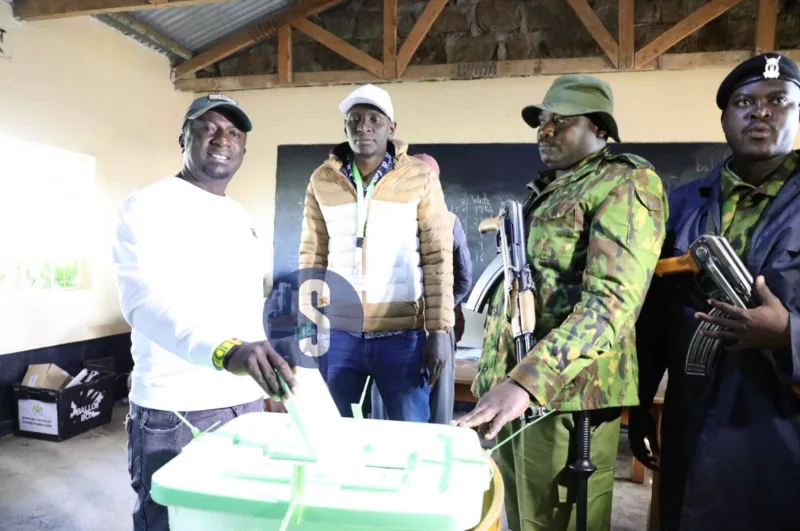

![[PHOTOS] Elderly brave cold to vote in Ol Kalou](https://cdn.radioafrica.digital/image/2026/07/d2345b9e-578f-45ff-9bb0-d7819671c165.webp)


![[PHOTOS] Ol Kalou residents turn out in large numbers to vote](https://cdn.radioafrica.digital/image/2026/07/fe42d51c-7f79-466e-94e8-59561f77bbe7.webp)